Real Estate Returns in Gurgaon: What You Actually Earn and Where to Invest
When people talk about real estate returns in Gurgaon, the profit you make from buying and holding property in Gurgaon, including rental income and price growth. Also known as property investment returns, it’s not just about how much the price goes up—it’s about what you walk away with after taxes, maintenance, and vacancies. Gurgaon isn’t just another city on the map. It’s one of India’s most active real estate markets, driven by corporate offices, tech hubs, and a constant flow of professionals moving in. If you’re thinking about buying here, you need to know what kind of returns you can actually expect—not what a broker promises.
Most investors focus on property appreciation, how much a property’s value increases over time. Also known as capital gain, it’s easy to get excited when you see 10% or 15% annual growth numbers. But in Gurgaon, that growth isn’t uniform. Areas like Sector 29, 56, and 104 have seen steady climbs thanks to metro connectivity and new malls. Meanwhile, some newer zones are still waiting for infrastructure to catch up. The real money isn’t always in the flashiest location—it’s in places where demand is rising but prices haven’t spiked yet. Then there’s rental yield, the annual income you earn from renting out a property, divided by its purchase price. Also known as cash flow return, this is where many investors get surprised. In Gurgaon, a 2BHK apartment in a good location might rent for ₹35,000–₹45,000 a month. But after maintenance, property tax, and broker fees, your net yield is often between 3% and 5%. That’s not bad—but it’s not the 8% some ads claim either. And if you’re looking at commercial real estate in Gurgaon, office spaces, retail shops, or warehouses used for business purposes. Also known as non-residential property, it’s a different game. A small office in Sector 29 can bring in ₹150–₹200 per sq.ft. monthly, with longer leases and fewer turnovers than residential units. But the upfront cost is higher, and finding tenants takes time. You also can’t ignore hidden costs: maintenance, stamp duty, registration, and legal checks. Many buyers forget these until they’re stuck with a property that eats into their returns.
What’s clear is that Gurgaon’s real estate market rewards those who know the local rhythms. It’s not about chasing the latest project with fancy brochures. It’s about understanding which sectors are growing, which builders have a track record, and where the next metro line or highway is coming. The posts below give you real examples—what people actually earned, where they lost money, and which areas are still worth watching in 2025. No hype. Just what works.
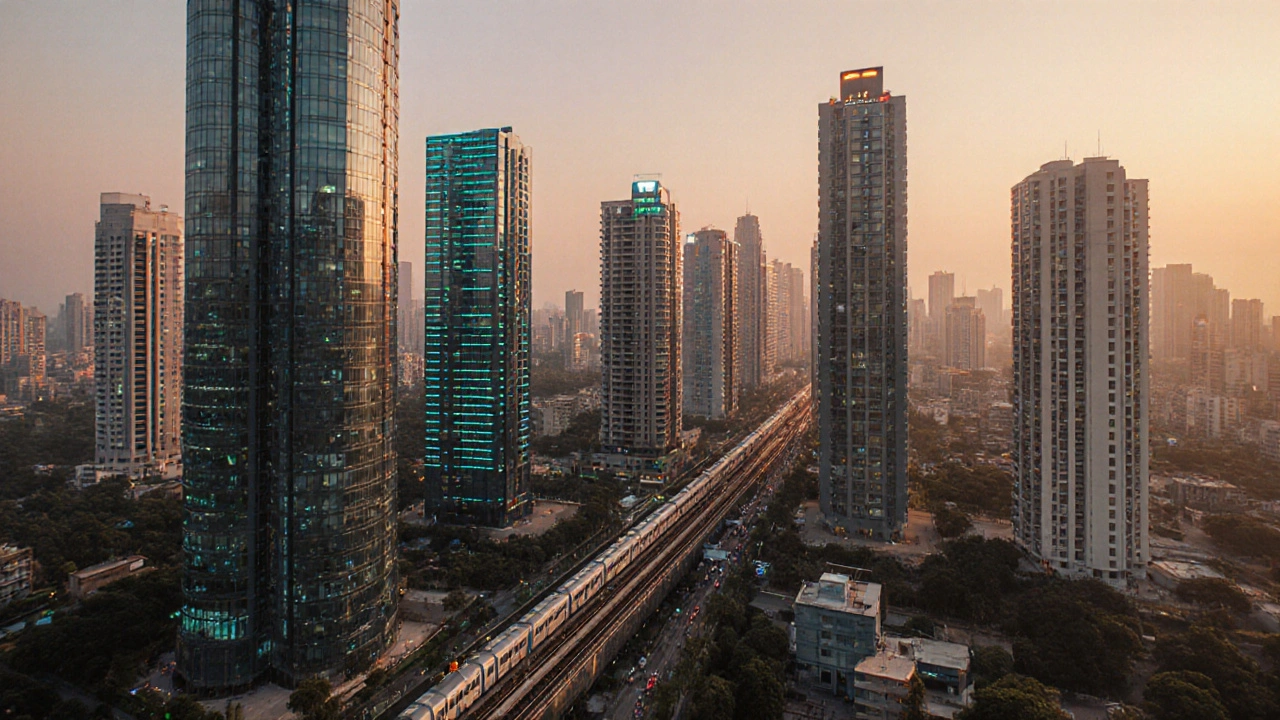
Real Estate Investing in Gurgaon: Where to Buy and How to Profit in 2025
Gurgaon real estate offers some of India's highest rental yields and fastest property appreciation. Learn where to buy in 2025, expected returns, hidden costs, and how to avoid scams.
Keanu Rutherford | Nov, 23 2025 Read More