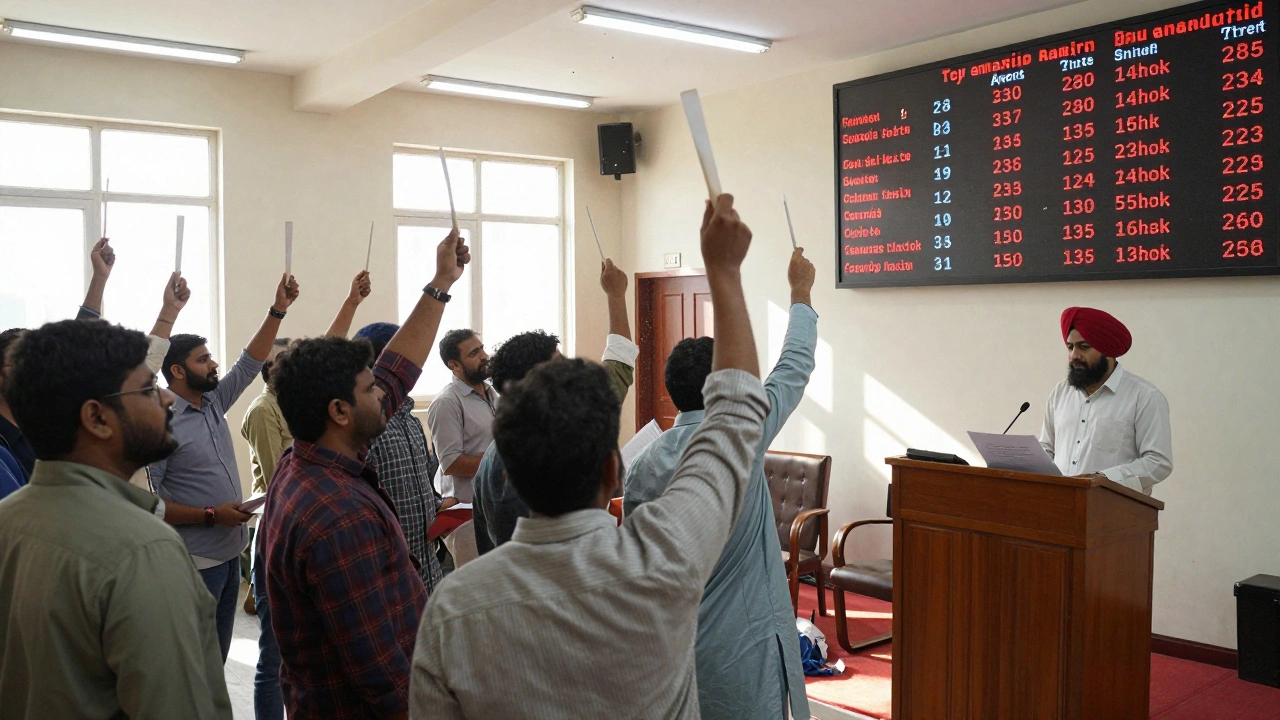
Buying property in Jalandhar through an auction isn’t just a shortcut to a deal-it’s a completely different way of owning land or a home. Unlike regular sales where you negotiate with a seller, auctions force you to act fast, know the rules, and walk in with your eyes wide open. If you’re thinking about bidding on a property in Jalandhar, you need more than just a budget. You need to understand how the system works, what hidden costs come with it, and why some buyers walk away with a bargain while others end up stuck with legal messes.
How Real Estate Auctions Work in Jalandhar
Most real estate auctions in Jalandhar are run by courts, banks, or government bodies. If someone defaults on a home loan, the bank takes over the property and puts it up for auction. If a property is tied to a legal dispute or unpaid taxes, the court steps in. These aren’t private sales-you’re not bidding against a neighbor who just wants to move. You’re competing in a legal process that’s tightly controlled.
Typical auction properties in Jalandhar include foreclosed homes in areas like Model Town, industrial plots near the Jalandhar-Dhuri road, and old commercial buildings in the city center. These properties often sell for 20% to 40% below market value. But that doesn’t mean they’re easy to get. The process is strict. You must register with the auctioning authority, pay a deposit (usually 10% of the reserve price), and show proof of funds before you can even bid.
Unlike online auctions you see on eBay, Jalandhar’s property auctions happen in person at district courts, bank branches, or designated auction halls. The auctioneer calls out the starting price. Bidders raise their paddles. The highest bid wins-but only if it meets the reserve price. If no one bids high enough, the property is withdrawn and relisted later.
Where to Find Real Estate Auctions in Jalandhar
You won’t find a single website that lists every auction in Jalandhar. The system is still partly old-school. Here’s where to look:
- District Court Notices - Every Monday, the District Court of Jalandhar publishes auction notices in local newspapers like Punjab Kesari and Dainik Bhaskar. They also post them on the Punjab State Judicial Academy website.
- Bank Branches - Public sector banks like Punjab National Bank and State Bank of India hold auctions for foreclosed properties. Visit the branch that holds the loan on the property you’re interested in.
- Realty Portals - Websites like Magicbricks and 99acres have started listing court auction properties. Use filters for “Auction Property” and set location to Jalandhar.
- Local Real Estate Agents - Many agents in Jalandhar specialize in auction properties. They get early access to notices and can help you check title history.
Don’t rely on social media posts or WhatsApp forwards. A lot of them are outdated or fake. Always cross-check with official sources.
What You Must Check Before Bidding
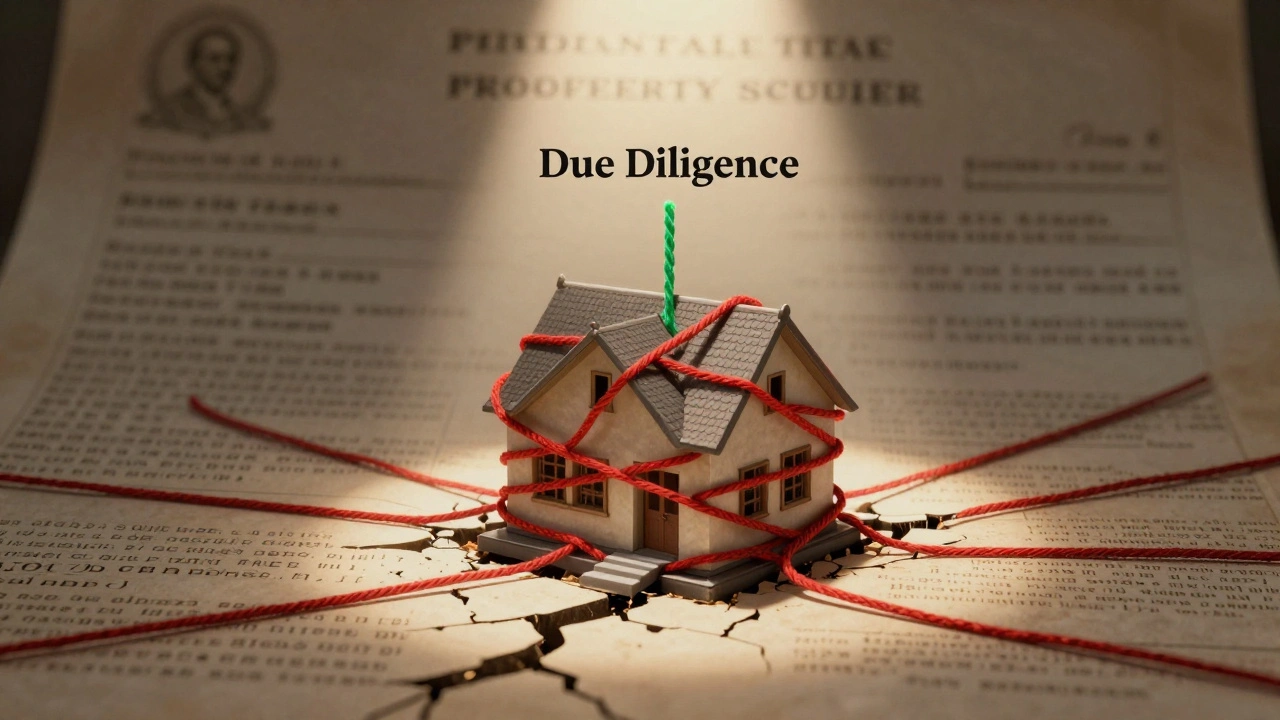
Buying at auction means you’re buying “as is.” No inspections. No repairs. No refunds. That’s why skipping due diligence is the biggest mistake people make.
Before you bid, do this:
- Check the title deed - Is the property legally owned by the person who defaulted? Are there multiple heirs? You don’t want to buy a house where five people claim ownership.
- Verify encumbrances - Is there an outstanding property tax? A pending utility bill? A mortgage from another bank? These become your responsibility after the sale.
- Visit the property - Walk around. Look at the condition. Is the roof leaking? Are the walls cracked? Are there squatters living inside? Some properties are occupied by tenants or family members who won’t leave easily.
- Review the auction terms - Some auctions require you to pay the full amount within 15 days. Others allow 30 days. Know the timeline. Know the penalty if you back out.
- Get a legal opinion - Hire a local property lawyer in Jalandhar to review the auction notice and title documents. It costs ₹3,000-₹5,000, but it could save you ₹5 lakhs.
One buyer in Jalandhar paid ₹28 lakhs for a plot in Model Town, only to find out later that the government had already acquired 20% of the land for road widening. He couldn’t build anything. He lost everything.
Costs Beyond the Winning Bid
The winning bid isn’t the end of your expenses. Here’s what else you’ll pay:
- Registration fee - 1% of the sale value, paid to the court or bank.
- Stamp duty - 7% in Punjab for male buyers, 5% for female buyers or joint ownership with a woman.
- Registration charges - ₹10,000-₹15,000 for recording the sale in the Sub-Registrar’s office.
- Legal fees - ₹5,000-₹15,000 for title verification and paperwork.
- Outstanding dues - Property tax, water bills, electricity arrears-all yours to clear.
- Occupant clearance - If the property is occupied, you may need to go to court to evict. That can cost ₹1-2 lakhs in legal fees and take 6-12 months.
For a ₹50 lakh property, your total cost could easily hit ₹65 lakhs. Never bid based on the auction price alone. Add 25-30% for hidden costs.
Who Should Buy at Auction-and Who Should Stay Away
Not everyone should buy at auction. Here’s who it works for:
- Investors with cash - You need to pay quickly. If you’re waiting for a loan approval, auctions aren’t for you.
- People with local knowledge - If you know Jalandhar’s neighborhoods, you can spot undervalued plots or old buildings with renovation potential.
- Builders and developers - You can buy land at low prices and rezone or redevelop it.
Stay away if you:
- Need to move in right away
- Have no legal or real estate support
- Expect a move-in-ready home
- Are using a home loan (most banks won’t finance auction properties until after the sale is complete)
One couple from Delhi tried to buy a house in Jalandhar at auction because it looked cheap. They didn’t check the title. The seller had died five years earlier, and the heirs were fighting in court. The property was seized again. They lost their deposit and spent ₹80,000 on legal fees just to get out of the deal.
Success Stories from Jalandhar Auctions
Not everyone loses money. Some buyers have turned auctions into smart investments.
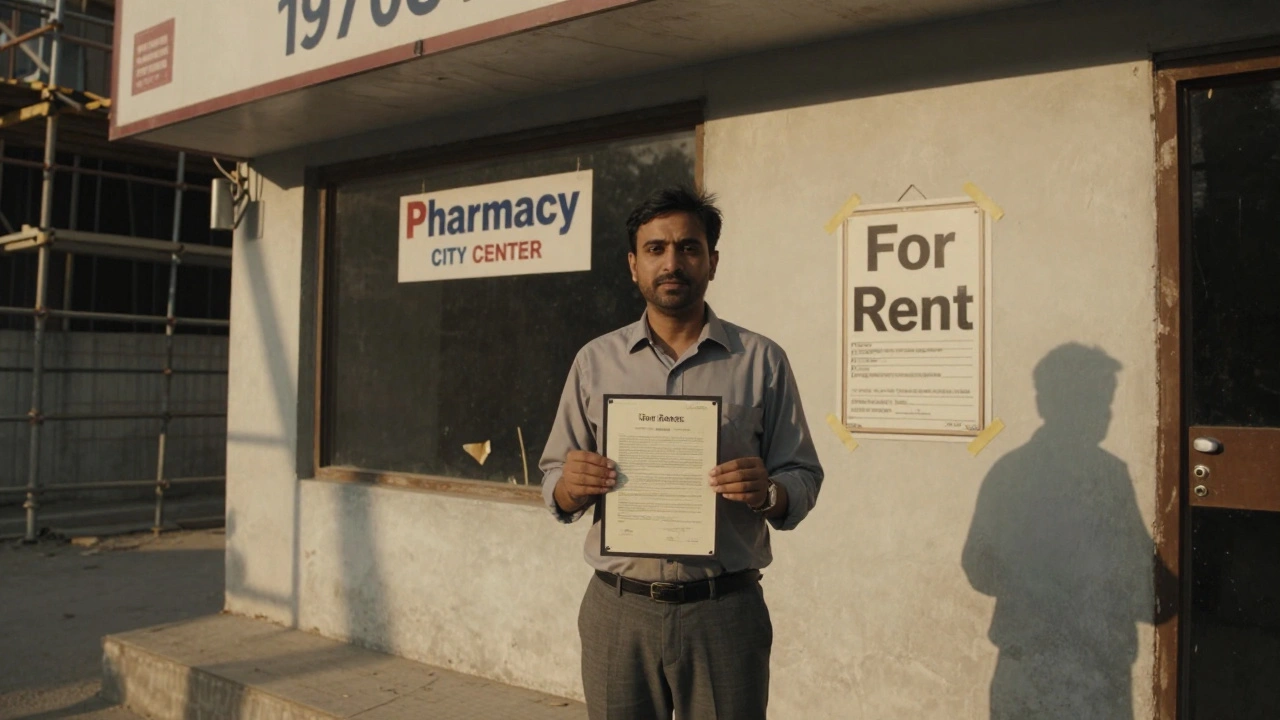
In 2024, a local entrepreneur bought a 3,000 sq. ft. commercial building in the Jalandhar City Center for ₹32 lakhs. The previous owner had defaulted on a business loan. The building was empty, but the structure was solid. He spent ₹8 lakhs on renovations and rented it out to a pharmacy chain. His monthly rental income is now ₹65,000. He paid off the total cost in under three years.
Another buyer purchased a 1200 sq. yd. plot near the Jalandhar-Phagwara highway for ₹18 lakhs. The land had been stuck in litigation for seven years. He hired a lawyer, cleared the case, and sold half the plot a year later for ₹15 lakhs. He kept the rest and built a small warehouse. His net profit? Over ₹10 lakhs.
These aren’t luck stories. They’re the result of research, patience, and knowing the rules.
What Happens After You Win the Bid
Winning the bid is just the beginning. Here’s what comes next:
- Pay the balance - Usually within 15-30 days. Late payments can lead to cancellation.
- Get the sale certificate - The court or bank issues this after payment. Keep the original.
- Apply for mutation - Go to the Jalandhar Tehsil office to change the property records in your name. Bring the sale certificate, ID proof, and tax receipts.
- Register the property - Visit the Sub-Registrar’s office. Pay stamp duty and registration fees. You’ll get the registered sale deed.
- Take possession - If the property is vacant, you can move in. If it’s occupied, you may need a court order.
Many buyers stop at step two. They pay the money but forget to register. That means the property is still legally in the old owner’s name. If they sell it again, you lose everything.
Common Pitfalls and How to Avoid Them
Here are the top five mistakes people make in Jalandhar auctions:
- Bidding without seeing the property - Never do this. Pictures on websites are often old or staged.
- Ignoring encumbrances - Always check for pending dues. A ₹20 lakh property with ₹5 lakh in unpaid taxes isn’t a bargain.
- Assuming it’s easy to evict - Tenants and family members can legally stay for months or years. Budget for legal battles.
- Using a loan to pay - Banks won’t approve loans until after the auction. You need cash or a personal loan.
- Not hiring a local lawyer - Jalandhar’s property laws are different from Delhi or Mumbai. A local expert knows the loopholes.
One rule of thumb: If a property looks too good to be true, it probably is. The biggest bargains come with the biggest headaches.
Final Thoughts
Real estate auctions in Jalandhar can be a goldmine-if you go in prepared. They’re not for impulse buyers. They’re not for people who want quick fixes. But if you’re patient, research-driven, and ready to handle paperwork and legal challenges, you can find properties that are worth far more than what you pay.
The key isn’t finding the lowest bid. It’s finding the right property with clean title, clear possession, and realistic costs. Take your time. Talk to people who’ve done it before. And never skip the legal check.
There’s no rush. The next auction will come. But if you rush into the wrong one, you might lose more than money-you might lose trust in the whole system.
Can I get a home loan to buy a property at auction in Jalandhar?
No, most banks won’t give you a home loan to buy a property at auction. You need to pay the full amount upfront, usually within 15 to 30 days. Banks only consider financing after you’ve received the sale certificate and registered the property in your name. Some private lenders offer bridge loans, but they come with high interest and strict terms.
Are auction properties in Jalandhar safe to buy?
They can be, but only if you do your homework. Many auction properties have legal issues-pending lawsuits, unclear titles, or unpaid taxes. The key is to hire a local property lawyer, check the court records, and verify the property’s history before you bid. Never assume the auction notice is complete or accurate.
What documents do I need to register for an auction in Jalandhar?
You’ll need your Aadhaar card, PAN card, proof of address, and bank statement showing you have enough funds for the deposit. Some auctions also require a letter from your bank confirming your financial capacity. Always check the specific auction notice-requirements vary by court or bank.
How long does it take to get possession after winning an auction?
If the property is vacant, you can get possession within a week after payment and registration. If someone is living there-like a tenant or the previous owner’s family-it can take 6 months to 2 years. You may need to file an eviction case in court. Don’t assume you’ll get keys right away.
What’s the difference between a bank auction and a court auction in Jalandhar?
Bank auctions happen when a borrower defaults on a home or business loan. The bank sells the property under the SARFAESI Act. Court auctions happen when a property is seized due to legal disputes, unpaid taxes, or court orders. Court auctions are slower but often have better title clarity. Bank auctions move faster but come with more risk.
Can I resell an auction property immediately after buying it?
Yes, you can resell it as soon as you’re registered as the legal owner. But many buyers wait 6-12 months to avoid suspicion or legal scrutiny. If you resell too quickly, authorities might question whether you were involved in a fraudulent transaction. Make sure all documents are in order before selling.
9 Responses
Jalandhar auctions? Bro I just bought a plot for 18L and sold half for 15L in a year. This post is basically a cheat code if you know where to look. No cap.
People still think auctions are a shortcut. They’re not. They’re a legal minefield disguised as a deal. You think you’re getting a bargain until you’re stuck paying someone else’s tax bill for five years. Wake up.
Honestly this is one of the clearest breakdowns I’ve seen on auction buying. I was scared to even look into it but now I get why people succeed. The key is patience and a local lawyer. Not magic, just work.
You think the court notices are real? Nah. They plant fake listings to flush out cash-rich buyers. The real deals are whispered in back rooms at the district court parking lot. Google won’t help you. Only insiders know.
This isn’t about property. It’s about destiny. Every auction is a mirror. You see your own greed, your fear of missing out, your desperate need to believe in something bigger than your 9-to-5. That plot in Model Town? It’s not land. It’s a soul test. And most people fail.
You wrote ‘Jalandhar-Dhuri road’ but it’s ‘Jalandhar-Dhuri Road’ with a capital R. And you said ‘₹5 lakhs’ but in formal writing it’s ‘5 lakh’ without the s. This post is full of errors. How can anyone trust it?
I read this whole thing and just felt so much empathy for people who think they’re getting a steal. The emotional weight of losing your deposit because you didn’t check the title? That’s not just money. That’s trust, hope, family dreams. This guide isn’t just practical-it’s human.
Just go to the court. Look at the property. Ask the guy at the gate. If it looks bad, walk away. No lawyer needed. Just common sense.
Honestly? If you’re not already rich, you shouldn’t even be reading this. Real estate auctions are for people who have connections, cash, and a private lawyer named Rajesh who knows the judge’s son. I saw a guy get swindled because he didn’t tip the clerk. It’s not a market. It’s a club.