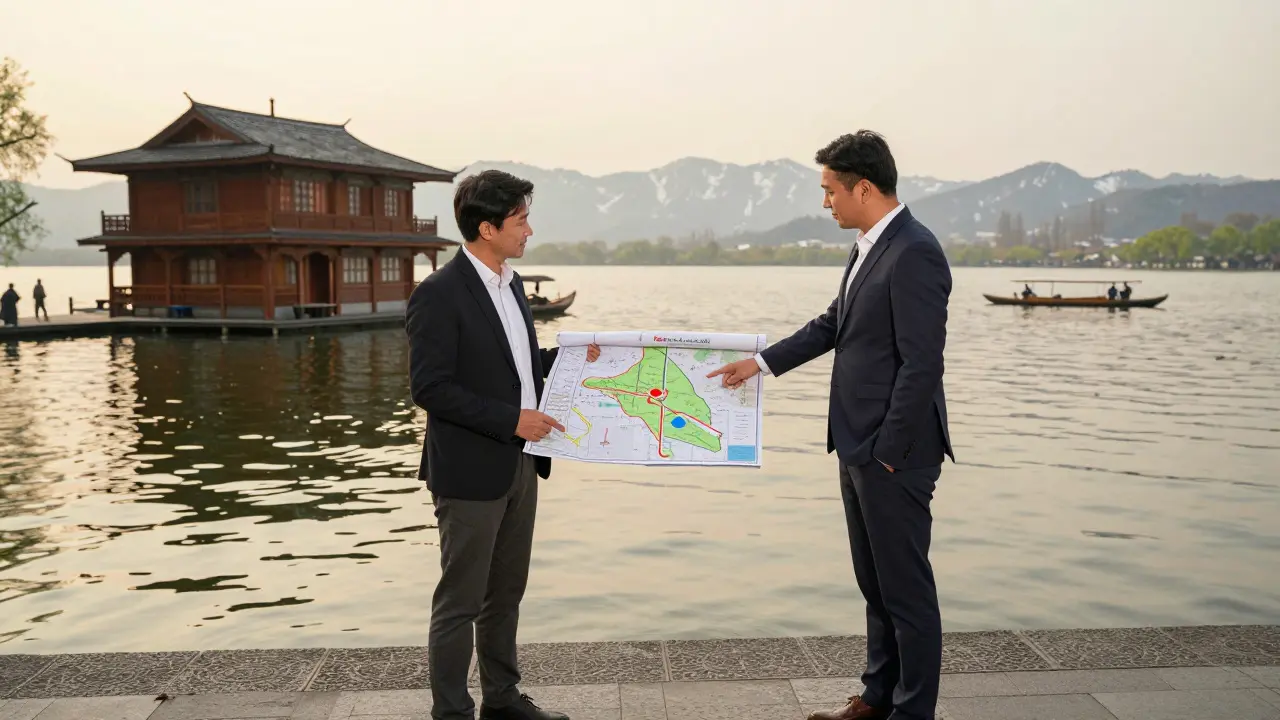
Buying or selling property in Srinagar isn’t like buying a home in Delhi or Mumbai. The valley’s unique geography, seasonal tourism cycles, and political sensitivity make real estate consulting here a specialized field. If you’re thinking of investing in Srinagar-whether it’s a house by Dal Lake, a commercial space in Lal Chowk, or land in the outskirts-you need more than a real estate agent. You need someone who understands the local rhythm, the legal gray zones, and the hidden risks most outsiders miss.
Why Srinagar’s Real Estate Market Is Different
Srinagar’s real estate doesn’t follow national trends. While cities like Bangalore or Hyderabad see steady year-round demand, Srinagar’s market swings with the seasons. Summer (May to September) brings the highest buyer activity-tourists, returning migrants, and investors looking for vacation homes. Winter (November to February) slows to a crawl. Many sellers list in spring, hoping to cash in before the tourist rush. But if you buy in winter, you might get 20-30% off the summer asking price.
Land titles are another hurdle. A lot of property in and around Srinagar was passed down orally or through informal agreements. The Jammu and Kashmir Land Revenue Act still governs ownership, and many plots lack proper registry under the new Indian land laws. A good consultant will check for: the original land record (Jamabandi), whether the property is classified as agricultural or residential, and if it’s subject to the Protected Area Regulations under Article 370’s legacy rules.
Foreign buyers can’t own property here. Even Indian citizens from outside Jammu and Kashmir face restrictions on purchasing agricultural land. But residential plots and commercial spaces in designated zones are open. A consultant will know which neighborhoods are legally safe for outsiders-and which ones could trigger a dispute later.
What a Real Estate Consultant Actually Does in Srinagar
A standard agent might show you three listings and take a commission. A real estate consultant in Srinagar does five things an agent won’t:
- Verifies land titles through the District Commissioner’s office and Revenue Department records-not just what’s on paper.
- Maps out flood zones. Parts of Srinagar, especially near the Jhelum River and old canal networks, flood every year. A consultant checks historical flood maps from the J&K Water Resources Department.
- Advises on zoning. A house in Hazratbal might be zoned for residential use, but if it’s near a religious site, adding a balcony or renting it out for short stays could violate local bylaws.
- Negotiates with local brokers who often inflate prices for outsiders. Consultants know the real market value based on recent sales in the same mohalla.
- Connects you with lawyers who specialize in J&K property law. Most general lawyers in Srinagar don’t handle land disputes under the old state laws.
One client, a tech worker from Pune, bought a 300 sq. yard plot in Sonwar in 2023 thinking it was a good investment. The agent said it was “fully documented.” The consultant later found the land was classified as agricultural and couldn’t be built on without a special permit-something the seller never mentioned. The buyer lost ₹12 lakh before walking away.
Top 5 Areas to Consider for Property in Srinagar
Not all neighborhoods are equal. Here’s where real value is hiding in 2026:
- Sonwar - Close to the airport, growing infrastructure, and mostly residential. Prices range from ₹4,500 to ₹7,000 per sq. ft. for ready plots. Popular with returning Kashmiri migrants.
- Rajbagh - Established residential area with good schools and hospitals. Property here is expensive-₹8,000-₹12,000 per sq. ft.-but holds value well. Good for long-term rental income.
- Shalimar - Near the famous gardens, quieter, and less crowded. Ideal for vacation homes. Prices are rising as tourism rebounds. Expect ₹6,000-₹9,000 per sq. ft.
- Lal Chowk and Rainawari - Commercial hubs. Shops here rent for ₹100-₹200 per sq. ft. monthly. Best for investors looking for steady cash flow.
- Khanyar - Near the university, popular with students and young professionals. Affordable apartments (₹3,000-₹5,000 per sq. ft.) but check for water supply and drainage issues.
Avoid areas like Ganderbal or Pulwama if you’re not from the region. Land disputes are common, and the legal process to resolve them can take years.

How to Pick the Right Consultant
Not every real estate professional in Srinagar knows the legal and cultural nuances. Here’s how to find one who actually helps:
- Ask for their experience with non-local buyers. If they’ve helped someone from Tamil Nadu or Gujarat buy property here, that’s a good sign.
- Check if they’ve worked with the J&K Real Estate Regulatory Authority (RERA). Consultants registered with RERA must follow strict disclosure rules.
- Ask for past transaction records. A good consultant will share anonymized examples of deals they closed in the last 12 months.
- Don’t hire someone who pressures you to sign quickly. In Srinagar, rushing a deal often means missing red flags.
- Look for consultants who also offer property management. If you’re buying as an investment, they should be able to help with rentals, maintenance, and tenant screening.
One firm in Srinagar, Valley Homes Advisors, has helped over 120 non-Kashmiri buyers since 2020. Their clients report 92% satisfaction with title clarity and post-purchase support.
The Hidden Costs No One Tells You About
Property prices in Srinagar look low compared to other Indian cities. But here’s what adds up:
- Registration fees - 7% of the property value (higher than the national average of 5-6%).
- Stamp duty - ₹10,000-₹25,000 depending on plot size and location.
- Utility connections - Water and electricity connections can take 3-6 months and cost ₹50,000-₹1,50,000 extra if the area isn’t fully developed.
- Security deposits - Many landlords or housing societies require 6-12 months’ rent upfront for rentals.
- Seasonal maintenance - Snow removal, heating systems, and winter-proofing can add ₹20,000-₹50,000 annually to ownership costs.
One investor bought a ₹40 lakh house in 2024. By the time he paid fees, connected utilities, and installed a heating system, his total cost hit ₹68 lakh. He didn’t know any of this until his consultant stepped in.
What to Avoid in Srinagar’s Real Estate Market
Here are the top three mistakes people make:
- Buying without a physical visit - Photos and videos lie. A house that looks perfect online might have cracked walls from freeze-thaw cycles or no access to clean water.
- Trusting verbal promises - “We’ll get the papers later” is a common line. In Srinagar, that “later” can mean never.
- Ignoring the political climate - During unrest, property sales freeze. Even if you have all documents, banks won’t approve loans. A consultant will tell you the best time to transact based on local news cycles.
Don’t assume Srinagar is like any other Indian city. It’s not. The rules are different. The risks are different. And the people who know how to navigate them? They’re not the ones shouting on Instagram ads.
Final Advice: Start Small, Think Long-Term
If you’re new to Srinagar’s market, don’t jump into a ₹1 crore house. Start with a ₹15-20 lakh apartment or a small commercial unit. Test the waters. Rent it out for a year. Learn how the system works. Talk to neighbors. See how repairs are handled. See how fast tenants pay.
Real estate in Srinagar isn’t about quick flips. It’s about patience, local knowledge, and avoiding the traps most outsiders walk into. The right consultant won’t just sell you a property-they’ll help you understand why it’s worth holding onto.
Can non-Kashmiri Indians buy property in Srinagar?
Yes, Indian citizens from outside Jammu and Kashmir can buy residential and commercial property in Srinagar. But they cannot purchase agricultural land. The rules are strict: you must verify the land classification through official records. A real estate consultant can help confirm this before you sign anything.
Is it safe to invest in Srinagar real estate in 2026?
It’s safe if you do your homework. The tourism sector is recovering, infrastructure is improving, and property prices are still lower than in comparable Indian cities. But political instability can pause transactions. Work with a consultant who tracks local news and avoids deals during periods of unrest. Long-term investors who hold property for 5+ years see steady appreciation.
How long does it take to register property in Srinagar?
The registration process typically takes 4-8 weeks if all documents are in order. Delays happen when titles are unclear or if there’s a dispute over land boundaries. A good consultant will start the paperwork early and follow up weekly with the Sub-Registrar’s office to keep things moving.
Do I need a local lawyer for property in Srinagar?
Yes. General lawyers outside Jammu and Kashmir don’t understand the legacy laws that still apply. You need someone familiar with the Jammu and Kashmir Land Revenue Act, the Transfer of Property Act as applied locally, and the Protected Area Regulations. Most reputable consultants have a trusted lawyer on retainer.
What’s the average rental yield in Srinagar?
Residential properties in good locations like Rajbagh or Sonwar yield 6-8% annually. Commercial spaces in Lal Chowk can hit 10-12%. But remember: rental income drops in winter. Most tenants pay only 8-9 months a year. Factor in 3-4 months of vacancy when calculating returns.
If you’re serious about investing in Srinagar, don’t rely on online listings or casual advice. The market rewards those who take time to understand its rules-not those who rush in hoping for a quick profit.
13 Responses
Man, this post is gold. I’ve been eyeing a place in Sonwar for my sister’s remote work setup, and honestly, I had no clue about the flood zones or the agricultural land traps. The part about checking historical flood maps from the J&K Water Resources Dept? That’s the kind of insider move most agents won’t tell you. I’m booking a consult next week.
Wow, another clueless outsider thinking they can just ‘invest’ in Kashmir like it’s some Airbnb sandbox. You don’t just ‘buy land’ here-you inherit a political liability. That ₹12 lakh loss? That’s what happens when you trust a ‘consultant’ who doesn’t even know the difference between Jamabandi and a tourist brochure. If you’re not from the valley, stay out. Save your money and your dignity.
As someone born in Srinagar, I’ve seen this play out too many times. The real issue isn’t just the paperwork-it’s the attitude. People think ‘cheap property’ means ‘easy money.’ But if you don’t respect the culture, the history, the seasonal rhythm-you’re just another ghost in the house come winter. Start small. Talk to locals. Don’t just Google ‘best areas to invest’.
Stop. Just stop. You said ‘foreign buyers can’t own property’-but you didn’t clarify that it’s Indian citizens from outside J&K who are restricted from agricultural land. That’s a critical distinction. You’re misrepresenting the law. This isn’t just sloppy-it’s dangerous. Someone could lose everything because of this ambiguity. Fix it.
So... you’re saying if you buy in winter, you get 20-30% off? That’s wild. I’m imagining myself sipping chai in a snow-covered house in Shalimar, waiting for spring… like a cozy, expensive fairy tale. 😅 I need this. But also… how do you even find a consultant who’s not just another middleman?
Wait-so if I buy a place in Lal Chowk and rent it out, I might only get paid for 8 months? That’s insane. Who even survives on that? And why is snow removal more expensive than my entire rent in Austin? I feel like I just got scammed by geography. Someone please tell me I’m not alone in feeling this overwhelmed.
Interesting breakdown, but I’m curious-how many of these consultants actually have formal certification under RERA, or is it just a label people slap on their business cards? I’d like to see data, not anecdotes.
Thank you for this meticulously researched and deeply necessary guide. The legal nuances surrounding the Jammu and Kashmir Land Revenue Act, the historical context of land classification, and the operational realities of utility connections are not merely technicalities-they are foundational to ethical investment. I commend your emphasis on due diligence, and I urge all prospective investors to treat this not as a transaction, but as a covenant with a place and its people.
Just came back from Srinagar last month-stayed in a guesthouse near Dal Lake. The guy who ran it said his uncle’s land got locked in a 12-year dispute because the old paperwork was in Urdu and no one bothered to translate it. So yeah, the ‘oral agreements’ thing? Real. Also, the chai at the corner shop in Khanyar? Best in the world. Worth every rupee.
Stop coddling outsiders. If you can’t handle the fact that Kashmir isn’t your personal real estate playground, don’t come. The land isn’t a commodity-it’s a legacy. And you don’t get to buy your way into someone else’s history just because you found a ‘discount’ on a listing. This article reads like a travel brochure for colonial capitalism. Shame.
Wait, so registration takes 4-8 weeks? That’s actually not bad! I thought it’d take years. Also, the part about winter vacancy? Totally makes sense. I’m thinking of buying a small shop in Rainawari-just for the long term. I’ll start with a 10% down payment and build from there. Thanks for the clarity!!
Thank you for highlighting Valley Homes Advisors. I’ve personally worked with them and can verify their transparency. Their team provided me with anonymized transaction logs, a legal checklist, and even connected me with a J&K-specialized advocate-all before I signed a single document. If you’re serious, this is the gold standard.
I’m not from India, but I’ve spent time in Kashmir as a researcher. What struck me most was how deeply the land is tied to identity-not just legally, but emotionally. A house isn’t just bricks and mortar here; it’s memory, displacement, resilience. This post does a rare thing: it treats the market as human, not just financial. That’s worth more than any ROI.