
Buying a house isn’t just about finding the right neighborhood or getting a low mortgage rate. It’s also about understanding the real estate law that governs every step of the process. Many people think legal issues only come up in disputes, but the truth is, real estate law shapes your rights, responsibilities, and protections from the moment you sign an offer to the day you get the keys.
What Is Real Estate Law?
Real estate law covers the rules around owning, buying, selling, leasing, and using land and buildings. It’s not one single law-it’s a mix of local, state, and federal rules that vary by location. In the U.S., for example, property rights are mostly controlled by state governments, so what’s legal in Texas might be illegal in New York.
This area of law touches on things like:
- How titles are transferred
- What disclosures sellers must make
- How zoning laws limit what you can build
- How landlords and tenants interact under lease agreements
- What happens if someone builds on your land by mistake
These aren’t just legal technicalities-they affect your money, your safety, and your ability to use your property the way you want.
Titles and Deeds: Who Really Owns the Property?
One of the most common misunderstandings in real estate is thinking that signing a contract means you own the property. It doesn’t. Ownership is proven through a title-a legal document that shows who holds the rights to the land. When you buy a house, you’re not just paying for the building. You’re buying the legal right to control it.
A deed is the paper that transfers title from seller to buyer. There are different types of deeds:
- Warranty deed: The seller guarantees they own the property and that no one else has a claim to it.
- Quitclaim deed: The seller transfers whatever interest they have-no guarantees. Common in family transfers or divorce settlements.
- Special warranty deed: The seller only guarantees they didn’t create any claims during their ownership.
Before closing, a title search is done to check for liens, easements, or unpaid taxes. Even if the seller says everything is clean, mistakes happen. That’s why title insurance is a must. It protects you if someone later claims they own part of your land-or if there was a forged signature in the chain of ownership.
Disclosures: What Sellers Must Tell You
Real estate law requires sellers to reveal known problems with the property. These are called disclosures. In most states, sellers must provide a written form listing things like:
- Water damage or mold
- Foundation cracks
- Lead paint (in homes built before 1978)
- Roof leaks
- Neighborhood noise or nuisance issues
Some states even require disclosure of deaths on the property-especially if they were violent. In California, if someone died in the home within the last three years, the seller must tell you. In other states, they don’t have to.
But here’s the catch: disclosures only cover what the seller knows. If they hid a leak under the floor and didn’t notice it, you might not have legal recourse. That’s why inspections are critical. A home inspector can find problems the seller didn’t know about-or didn’t want to admit.
Zoning Laws: What You Can and Can’t Do With Your Land
Just because you own a piece of land doesn’t mean you can do whatever you want with it. Zoning laws, set by local governments, control how land can be used. A property zoned as residential might not allow you to open a restaurant, run a daycare, or turn your garage into a rental unit.
Common zoning categories include:
- Residential (single-family, multi-family)
- Commercial (stores, offices)
- Industrial (factories, warehouses)
- Agricultural
- Historic districts
Some areas have overlay zones that add extra rules. For example, a neighborhood might be zoned residential but also fall under a floodplain zone-meaning you can’t build below a certain elevation. Or it might be in a historic district, so you can’t change the exterior color or replace windows without approval.
Before you buy, check the local zoning map. Don’t assume the current owner’s use is legal. A home-based business might be grandfathered in, but if you buy it, you may not be allowed to continue it. Always confirm with the city planning department.
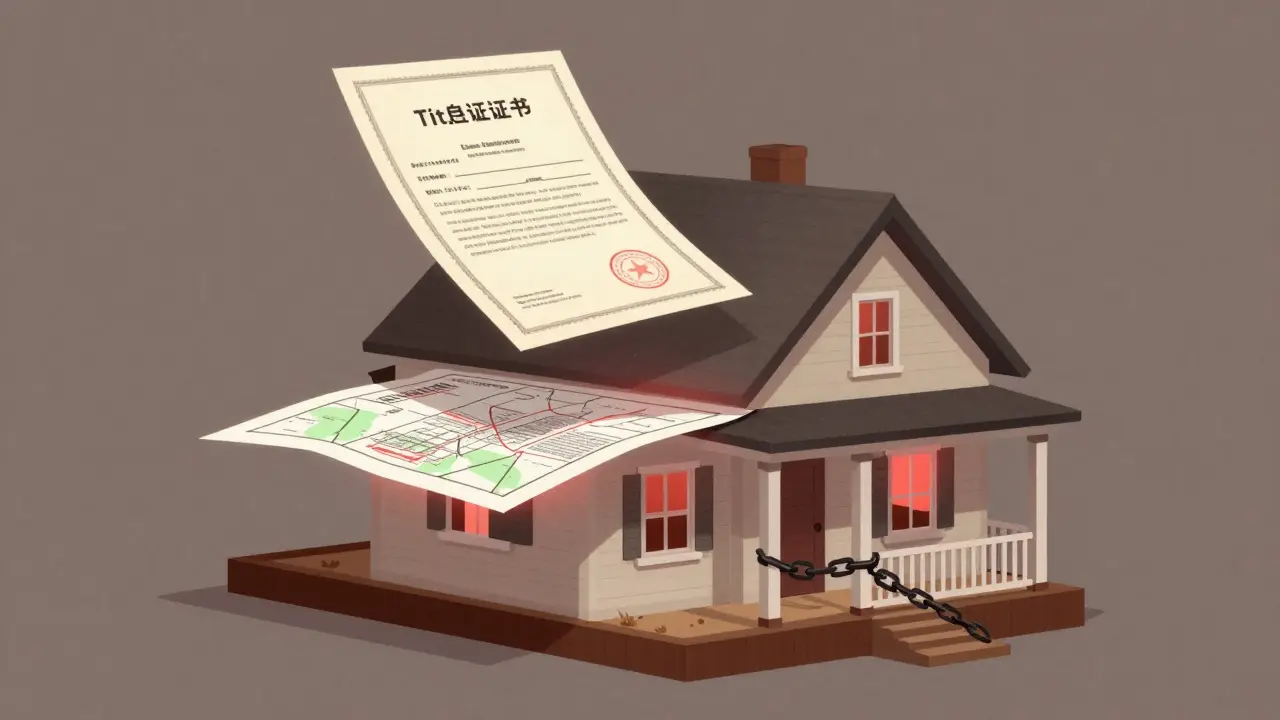
Leases and Landlord-Tenant Law
If you’re renting, real estate law still applies-but differently. Landlord-tenant law protects both sides. Tenants have rights to habitable housing, privacy, and protection from illegal eviction. Landlords have the right to collect rent and enforce rules.
Every state has its own rules, but some common protections include:
- Security deposit limits (often capped at one or two months’ rent)
- Required notice before entering the property (usually 24-48 hours)
- Deadlines for returning deposits after move-out (often 14-30 days)
- Protections against retaliation (you can’t be evicted for complaining about repairs)
Oral leases are sometimes legal for short-term rentals, but written leases are always better. They spell out who pays for utilities, whether pets are allowed, and what happens if someone breaks the lease. Without a written agreement, disputes become “he said, she said”-and courts usually side with the party who has documentation.
Common Real Estate Law Pitfalls
Even smart buyers and sellers run into legal trouble because they skip basic steps. Here are the most common mistakes:
- Skipping title insurance: You think the seller is trustworthy. Then you find out the previous owner’s ex-spouse still owns half the land. Title insurance costs $500-$2,000-but saves you from losing your home.
- Not reading the contract: Many buyers sign without understanding contingencies. What if the inspection finds radon? Can you walk away? If the contract doesn’t say, you might be stuck.
- Assuming verbal agreements are binding: A seller promises to leave the fridge. You believe them. Then they take it. Without it in writing, you have no legal claim.
- Ignoring easements: Someone else has the legal right to cross your yard to reach their property. You build a fence-and get sued.
- Not checking for HOA rules: Your dream home has a homeowners association that bans solar panels, outdoor clotheslines, or even certain paint colors.
These aren’t edge cases. They happen every day. And they’re almost always avoidable with a little due diligence.
When to Hire a Real Estate Attorney
You don’t need a lawyer for every home purchase. But you should consider one if:
- You’re buying a commercial property
- The property has complex ownership history
- You’re dealing with a divorce, inheritance, or probate sale
- The contract has unusual clauses
- You’re buying land with no access road
- You’re a foreign buyer
Real estate attorneys review contracts, explain legal risks, and help you avoid costly mistakes. In some states, like New York and Florida, attorneys are required to handle closings. In others, they’re optional-but still worth the cost if you’re unsure.
Don’t wait until something goes wrong. A $300 legal review before signing can save you $30,000 later.
What Happens if You Break Real Estate Law?
Violating real estate law can lead to fines, lawsuits, or even criminal charges. Here are a few examples:
- Fraudulent disclosures: Lying about a flooded basement can lead to a lawsuit for damages.
- Unlicensed real estate activity: If you help a friend sell their house for a fee without a license, you could be fined.
- Illegal evictions: Turning off utilities or changing locks to force a tenant out is illegal in every state.
- Building without permits: Adding a room without approval can force you to tear it down or pay back taxes.
Real estate law isn’t just about protecting buyers and sellers. It’s about keeping the entire system fair and predictable. When people follow the rules, transactions move smoothly. When they don’t, trust breaks down-and everyone pays the price.
How to Protect Yourself
Here’s a simple checklist to stay on the right side of real estate law:
- Always get a title search and title insurance
- Require all agreements to be in writing
- Read every disclosure form before signing
- Verify zoning rules with the city planning office
- Use a licensed real estate agent
- Consult an attorney for complex deals
- Keep copies of every document
Real estate law might seem overwhelming, but it’s designed to protect you-not to trap you. The key is to ask questions, get things in writing, and never assume anything is automatic.
Do I need a lawyer to buy a house?
Not always, but it’s smart. In some states, lawyers are required to handle closings. In others, title companies or real estate agents manage the process. Still, if your deal involves complex ownership, inheritance, or commercial use, a real estate attorney can spot hidden risks you might miss.
Can I sell my house without a real estate agent?
Yes, you can sell your house yourself (called FSBO-For Sale By Owner). But you still need to follow real estate law. That means providing proper disclosures, using legally valid contracts, and handling title transfers correctly. Many FSBO sellers end up paying more in legal fees later because they made mistakes in paperwork.
What’s the difference between a deed and a title?
The title is the legal right to own the property. The deed is the document that transfers that right from one person to another. Think of the title as ownership, and the deed as the paperwork that changes who holds it.
Can my neighbor build a fence on my property?
No-not without your permission. But if they’ve had a fence there for years and you never objected, they might be able to claim ownership through adverse possession. This varies by state, but it usually requires continuous, open, and hostile use for 10-20 years. Always check your property survey before building anything near a boundary.
What happens if I don’t pay property taxes?
If you don’t pay property taxes, the government can place a lien on your home. If the debt stays unpaid, they can sell your property at a tax auction. In some cases, you have a year or two to pay and keep your home. In others, the sale happens quickly. Never ignore a tax notice-even if it looks like a mistake.
What Comes Next?
Real estate law isn’t static. New rules appear every year-around short-term rentals, climate disclosures, and digital signatures. If you’re planning to buy, sell, or rent property in 2026, make sure you’re working with professionals who stay updated. Don’t rely on advice from a friend who bought a house ten years ago. Laws change. So should your approach.
The best way to protect your investment isn’t to guess what the law says. It’s to ask the right questions, get everything in writing, and know when to call an expert. Real estate law exists to make transactions fair. Use it wisely-and it’ll work for you.
12 Responses
Just moved into my first house last year and I didn’t know about title insurance until the closing table. My agent slipped it in like it was optional. Turns out, it saved me from a ghost claim from the 1990s. Never skip it. Even if your seller seems like a saint, the system is messy.
Also, zoning laws are wild. I wanted to turn my garage into a studio, but the city said no because of an overlay zone I didn’t even know existed. Called planning department, they were chill, gave me the map. Saved me from a $20k mistake.
i always forget how much law is hidden in buying a house. like, you think you’re just picking paint colors and fridge models but nooo you’re signing away your right to grow vegetables in your front yard or put up a flagpole. it’s insane how much control local govt has. i just wanna live somewhere without getting fined for having a bird feeder.
also why do disclosures only cover what the seller *knows*? that feels like a loophole big enough to drive a truck through.
For anyone thinking of buying a house without an agent-please don’t. I did it once. Thought I could save the commission. Ended up signing a contract with no inspection contingency. The roof was leaking. The seller said ‘it’s always done that.’ I had to pay $12k out of pocket.
Real estate law isn’t scary if you’re prepared. Get the title search. Read the disclosures. Ask for everything in writing. Even if it feels awkward. You’re not being paranoid-you’re being smart.
Someone above mentioned zoning. Yeah, that’s a nightmare. My buddy bought a house in Austin thinking he could run a coffee shop out of the front room. Turns out the zoning was R-1. He spent six months fighting for a variance. Lost. Now he’s stuck with a $400k house he can’t use the way he bought it for.
Pro tip: Go to the city’s GIS map. Zoom in. Look for the zoning codes. Don’t trust the listing agent. They don’t care if you get sued later.
Real estate law in this country is a joke. You can’t even build a shed without 17 permits, but some guy in Florida can turn his backyard into a 10-unit Airbnb empire because ‘it’s grandfathered.’ Meanwhile, I can’t put a fence higher than 6 feet without a hearing. This isn’t freedom. It’s bureaucratic tyranny.
And don’t get me started on HOAs. They’re private militias with bylaws written by lawyers who hate joy. Solar panels? No. Rain barrels? No. Red front door? Absolutely not.
We need to deregulate property rights. This isn’t a socialist commune. It’s America.
It’s amusing how casually people treat real estate as if it’s just a transaction. It’s not. It’s a legal minefield disguised as a lifestyle purchase. You think you’re buying a house? No. You’re buying a bundle of encumbrances, easements, covenants, and statutory obligations wrapped in a title that may or may not be clean.
And title insurance? That’s not protection-it’s a bandage on a hemorrhage. The industry is built on the premise that fraud is inevitable. So why are we surprised when it happens?
And don’t even mention the ‘disclosures.’ They’re theater. A checkbox ritual designed to absolve sellers of moral responsibility, not legal liability. The law doesn’t require truth. It requires paperwork.
They don’t tell you this, but the whole system is rigged. Title companies? They’re owned by the same banks that issue mortgages. The zoning boards? They take bribes from developers. The disclosures? They’re written by lawyers who know exactly what to leave out.
I bought a house in Ohio. Two years later, I found out the previous owner was a fugitive who used the property to launder money. The government came knocking. No one warned me. No one even asked if I knew who I was buying from.
They want you to think it’s about ‘due diligence.’ It’s not. It’s about keeping you blind until it’s too late.
In India, property transactions are far more transparent. One must register the deed at the sub-registrar office, and all previous transactions are recorded in government ledgers. There is no such thing as ‘title insurance’ because the state guarantees the chain of ownership. Why does America rely on private corporations to verify what should be a public record?
Also, the concept of ‘zoning’ is outdated. In Mumbai, residential, commercial, and industrial spaces coexist without litigation. Perhaps American law is not about protection, but about control.
As someone who’s rented in three different states, I can tell you-lease agreements are everything. I had a landlord in Georgia who refused to fix the AC for months. I cited the state law about habitability, sent a certified letter, and within a week, it was fixed. No drama.
Don’t be afraid to quote the law. Landlords hate it when you know your rights. And always, always take photos when you move in. I still have mine from 2019. Saved me $800 in deposit disputes.
Oh wow. So the government tells me I can’t paint my house purple because ‘historic district.’ But I can buy a gun, drive 80mph, and eat a whole pizza in one sitting. That’s freedom, folks.
Also, I once tried to install a tiny house in my backyard. Got a cease-and-desist from the city in 48 hours. Turns out, ‘accessory dwelling unit’ is a phrase only lawyers love. I ended up buying a camper. It’s cheaper, mobile, and nobody can tell me what color to paint it.
Real estate law isn’t about protecting you. It’s about keeping you in a box. And someone’s making bank selling you the box.
biggest thing i learned? always get a survey. i thought my fence was on the line, but turns out i was 18 inches on my neighbor’s land. he was cool about it, but if he wasn’t, i could’ve been sued. just spent $300 for a survey. way better than $30k in legal fees.
also, verbal promises? write them down. even if it’s just a text. ‘hey, you said you’d leave the shed?’ yeah. that’s evidence now.
For anyone thinking of buying land with no road access-stop. Just stop. I know someone who bought 10 acres in Montana because it was cheap. Turned out the only access was an old logging trail that the state decommissioned in 2015. Now they can’t get a permit to build a driveway because it crosses protected wetlands.
And don’t get me started on mineral rights. You think you own the land? Nope. Someone else owns what’s underneath. Could be oil. Could be lithium. Could be nothing. But if they want to drill, they can. You just get to watch.
Real estate law isn’t about ownership. It’s about layers of liability. And if you don’t understand the layers, you’re just renting your life to the system.