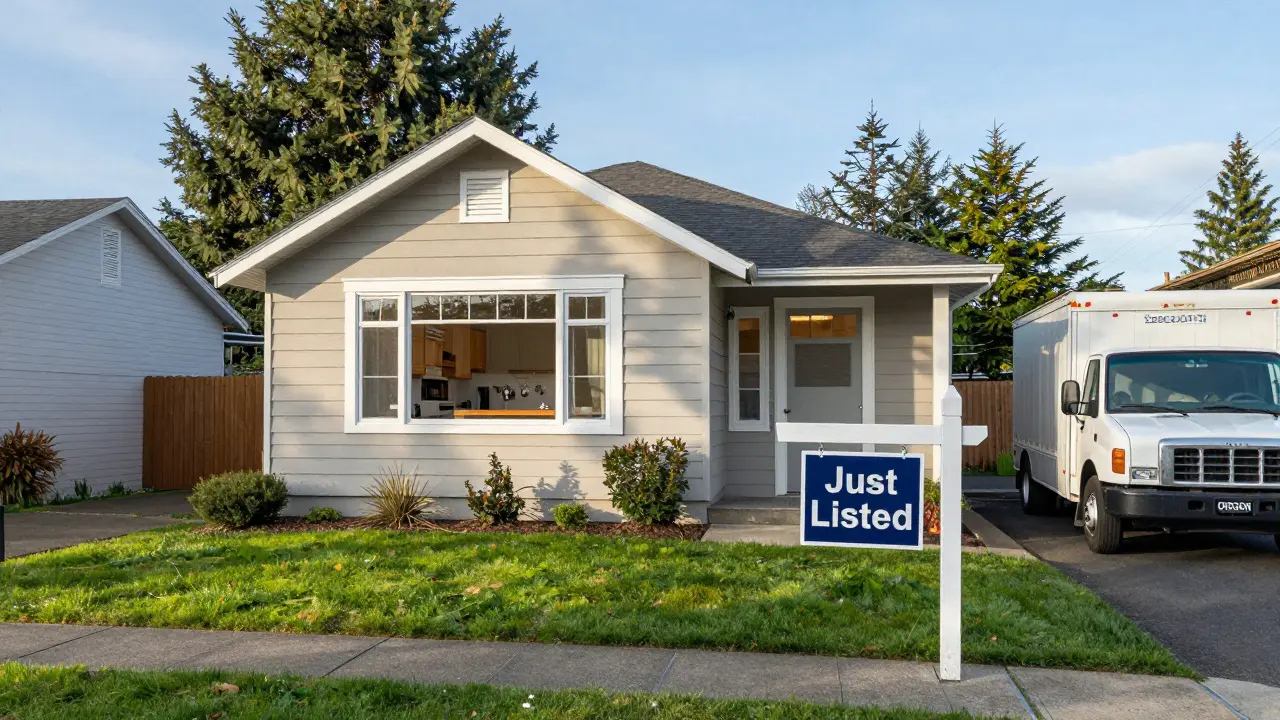
Real estate sales in Salem aren’t what they were five years ago. Prices have climbed, inventory has tightened, and the kind of buyers showing up has changed. If you’re thinking of buying or selling a home in Salem right now, you can’t rely on old advice or past trends. The market has shifted, and the rules are different.
What’s Actually Selling in Salem Right Now?
Single-family homes under $300,000 are moving fastest. In the last quarter, homes priced between $220,000 and $280,000 sold in an average of 22 days-down from 48 days in early 2023. These are mostly 3-bedroom, 2-bath homes built between 1980 and 2005, located near Salem High School, the VA Medical Center, or along the North Santiam River. Buyers aren’t looking for fixer-uppers anymore. They want move-in ready homes with updated kitchens, newer HVAC systems, and no major repairs needed.
Condos and townhomes are also seeing increased demand, especially near downtown Salem. Units under $250,000 are getting multiple offers, often above asking price. The appeal? Low maintenance, proximity to public transit, and walkable neighborhoods. Developers have taken notice. Three new condo projects are in the permitting phase, all targeting first-time buyers and empty nesters.
On the flip side, homes over $500,000 are sitting longer. The luxury market has cooled. Buyers at this level are more selective, waiting for the right property and often negotiating hard. Many sellers in this range are still pricing based on 2021-2022 peaks. That’s not working anymore.
Who’s Buying in Salem?
The biggest shift? More buyers are coming from out of state. About 32% of recent purchases in Salem were made by people relocating from Washington, California, and Oregon’s Willamette Valley. They’re attracted by lower prices compared to Portland, better school ratings in some districts, and the city’s growing reputation as a quiet, safe place to raise a family.
Local buyers are mostly first-timers under 35. They’re using FHA loans more than ever-nearly 40% of all purchases last year were FHA-financed. Many are working remote jobs and don’t need to be near downtown. They’re looking for yards, garages, and space for home offices.
Investors are still active, but they’re being smarter. Instead of buying fixer-uppers on the east side, they’re targeting well-maintained homes in the West Salem neighborhood. These properties rent for $1,800-$2,200/month with minimal turnover. The 7% cap rate is attractive compared to other mid-sized Oregon cities.
Inventory Is Tight-But Not Gone
There are about 850 active listings in Salem as of December 2025. That’s down from 1,400 in January 2023. It’s not a shortage like in 2021, but it’s enough to create competition. The average home has 3-5 showings in the first week. If you’re selling, you need to be ready to act fast.
Here’s what works: professional photos, a clean and decluttered interior, and a pricing strategy based on recent comparable sales-not what your neighbor paid in 2022. Homes priced within 5% of recent sales in their exact neighborhood sell 60% faster than those priced higher.
Buyers, don’t wait for the perfect home. The market doesn’t wait. If you find a house that meets your must-haves-good schools, solid structure, no major repairs-you should make an offer. Contingencies are still allowed, but sellers are favoring buyers who can close quickly and with minimal conditions.
What’s Driving Prices Up?
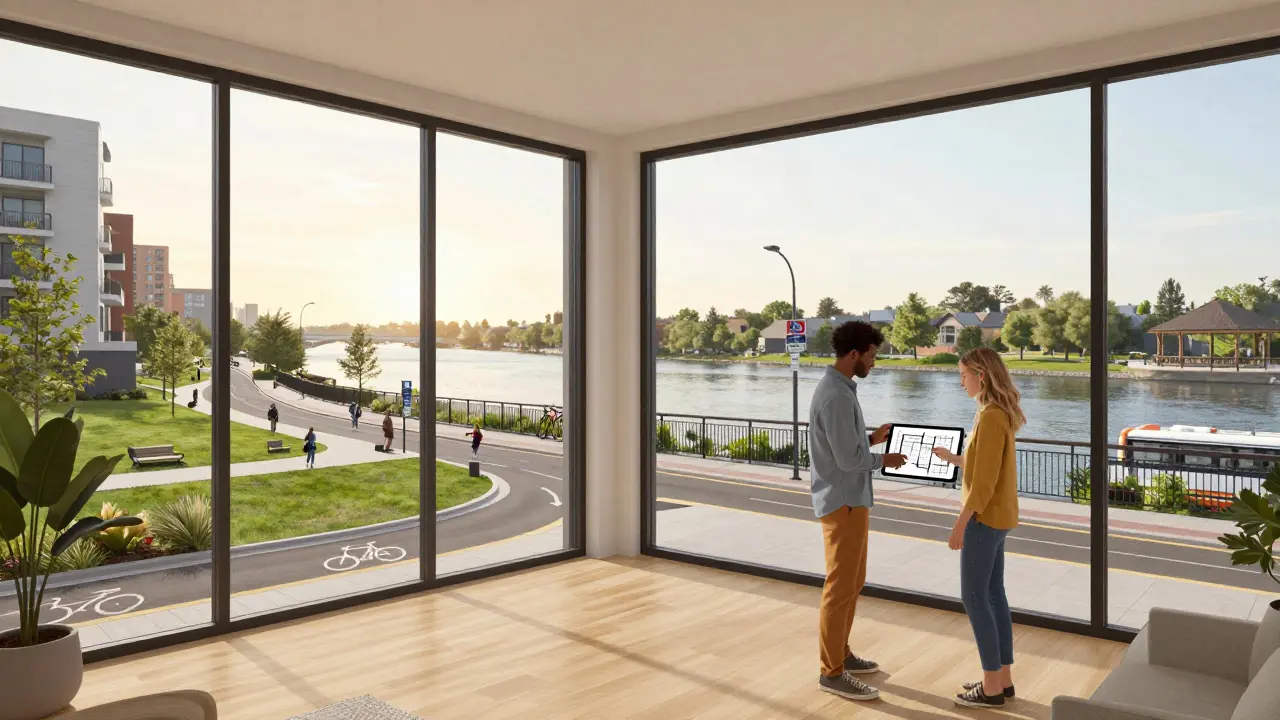
Three things: low supply, population growth, and infrastructure investment. Salem’s population grew by 4.2% between 2020 and 2024, adding nearly 7,000 new residents. That’s more than most comparable cities in Oregon. The state has poured $180 million into road improvements, public transit upgrades, and downtown revitalization since 2022. New bike lanes, expanded bus routes, and a redeveloped Riverfront Park are making the city more livable.
Also, the Salem-Keizer School District has seen rising enrollment. That’s pulling families in. Homes near schools with high test scores-like Jefferson Middle or North Salem High-command a 12-18% premium over similar homes farther away.
Interest rates are still above 6%. That’s keeping some buyers on the sidelines, but it’s also filtering out speculative buyers. The market is quieter, but more stable. You’re not seeing the wild bidding wars from 2021 anymore. What you are seeing is steady, predictable demand.
Selling Your Home? Here’s What Actually Works
If you’re selling, skip the staging gimmicks. Buyers in Salem aren’t impressed by fake flowers or rented furniture. They care about function. Here’s what gets results:
- Fix leaky faucets and replace old showerheads
- Paint walls in neutral tones-beige, greige, or soft white
- Update kitchen cabinet hardware and lighting
- Clear clutter from closets and garages
- Get a pre-listing home inspection and fix major issues upfront
Don’t waste money on landscaping. A tidy yard matters. A $5,000 garden? Not worth it. Buyers notice if the roof is new, the windows are double-pane, and the furnace is less than 10 years old. Those are the details that build trust.
Work with a local agent who knows the neighborhood sales data. Generic online estimates from Zillow or Redfin are often off by 10-15% in Salem. A good agent pulls data from the local MLS, checks closed sales from the last 60 days, and adjusts for square footage, condition, and location. That’s how you get the right price.
Buying? Don’t Get Tricked by Low Listings
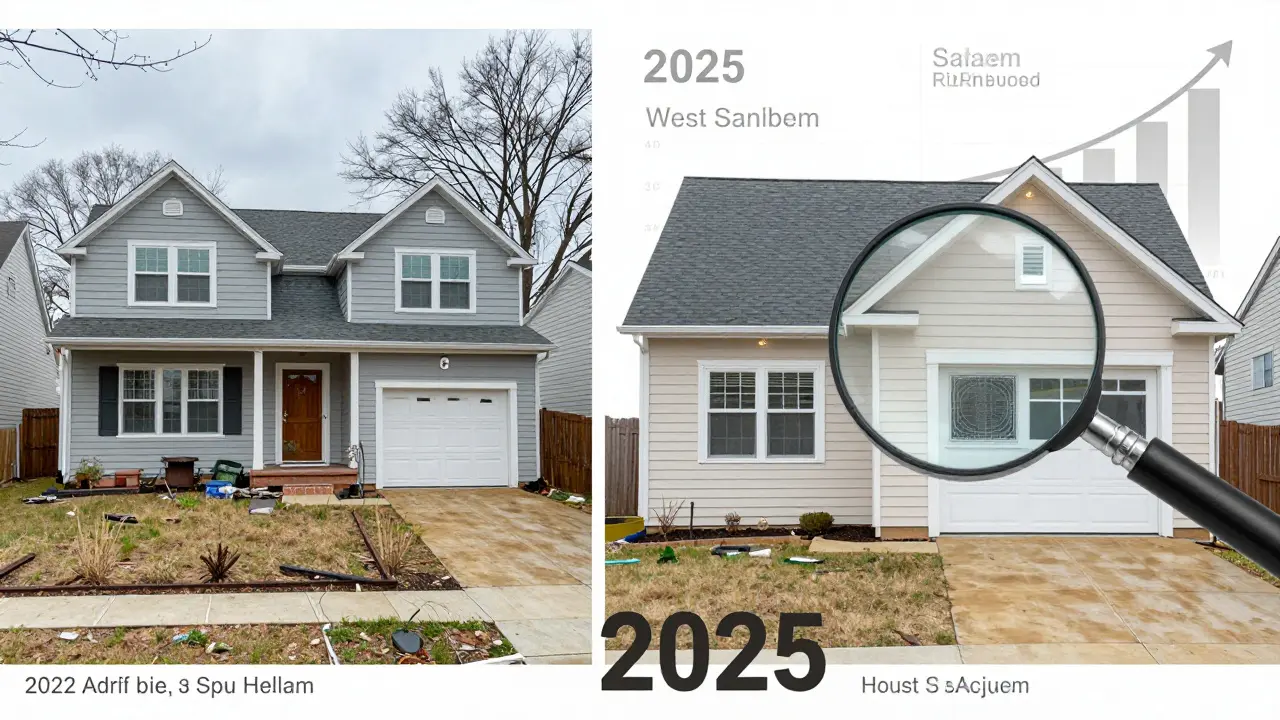
Some homes are listed low to attract attention. That’s called a “bait and switch.” You’ll see a $210,000 house that turns out to have a cracked foundation, an old roof, or a sewer line that needs replacement. These hidden costs can add $20,000-$40,000 to your total investment.
Always get a home inspection. Don’t skip it because the seller says it’s “as is.” Even in a competitive market, you can negotiate repairs or a credit. Buyers who skip inspections end up paying more in the long run.
Also, don’t fall in love with one house. Look at at least 10 properties before making an offer. That gives you a real sense of what’s out there and what’s fairly priced. Most buyers who rush into their first choice end up overpaying or regretting the decision later.
The Bottom Line
Real estate sales in Salem are balanced-not hot, not cold. Prices are up about 6% since 2023, but not skyrocketing. Inventory is low, but not nonexistent. Buyers are serious, sellers are realistic, and the market rewards preparation.
If you’re selling: price it right, fix the basics, and work with someone who knows Salem’s neighborhoods inside out.
If you’re buying: get pre-approved, know your must-haves, and be ready to move quickly when you find the right home.
This isn’t the market of 2021. It’s not the market of 2015. It’s the market of 2025-and it’s working for people who understand it.
Is now a good time to sell a home in Salem?
Yes, if you price it correctly. Homes priced at or below market value are selling quickly, often within 3 weeks. Overpricing is the biggest reason homes sit unsold. Sellers who adjust their price after 30 days get 15-20% less than those who priced right from the start.
What neighborhoods in Salem are appreciating the fastest?
West Salem, Riverbend, and the area around Mission Mill Museum are seeing the strongest appreciation. Prices in these areas have risen 8-12% over the past year. North Salem and Southeast Salem are stable but not booming. Avoid neighborhoods with declining school ratings or limited infrastructure investment.
Are condos a good investment in Salem?
Yes, if you’re looking for rental income. Condos under $250,000 in downtown or near the transit center rent out quickly and have low vacancy rates. The average annual return is 6-8%. But watch HOA fees-some are rising sharply. Look for buildings with healthy reserves and no special assessments pending.
How long does it take to close on a home in Salem?
Most closings happen in 30 to 45 days. Cash buyers can close in under 2 weeks. Buyers using FHA or VA loans often take closer to 45 days because of extra paperwork. To speed things up, get your pre-approval letter early, submit documents quickly, and choose a lender with local experience.
Should I buy a home in Salem if I work remotely?
Absolutely. Salem has fast internet availability in over 90% of homes, thanks to recent fiber upgrades. Many remote workers are choosing Salem for its lower cost of living, good schools, and access to outdoor recreation like the Willamette River and nearby mountains. It’s becoming a quiet hub for digital nomads who want space without Portland’s prices.
9 Responses
Salem's market is a goddamn masterclass in supply-and-demand theater. Under $300K homes? Selling like hotcakes because buyers are no longer idiots who think they can flip a 1992 ranch with duct tape and hope. They want HVAC that doesn't sound like a jet engine and kitchens that haven't been untouched since the Bush administration. Meanwhile, the $500K+ crowd is still clinging to 2021 fantasy pricing like it's a life raft. Newsflash: nobody's paying premium for a view of your neighbor's rusted tricycle.
And let's talk about the out-of-staters - yeah, you're not special. California refugees, Washington transplants, Willamette Valley escapees - you're all chasing the same illusion: 'affordable Oregon.' Except Salem's not cheap anymore, it's just less insane than Portland. Congrats, you found the second-tier paradise. Now go fix your leaky faucet before you start crying about HOA fees.
Do you ever feel like the house you buy becomes a mirror of your soul? Not just wood and drywall - but the quiet desperation of someone who just wants to feel safe. In Salem, people aren’t buying square footage. They’re buying peace. A driveway where kids can ride bikes without fearing traffic. A kitchen where coffee doesn’t taste like regret. A neighborhood where the school bell still rings like hope. This isn’t real estate. It’s redemption with a mortgage.
It is important to acknowledge that the current dynamics in Salem’s housing market reflect broader economic trends in mid-sized urban centers across the Pacific Northwest. The combination of population growth, infrastructure investment, and demographic shifts toward remote work has created a sustainable, albeit competitive, environment for both buyers and sellers. While pricing pressures exist, the absence of speculative frenzy suggests a maturing market. Strategic preparation remains the most reliable indicator of success.
lol u think 32% out of staters is a lot? pfft. i checked zillow and half the listings are from agents who’ve never even been to salem. and ‘updated kitchens’? what does that even mean? some guy replaced the sink in 2018 and now it’s ‘move-in ready’? and who says ‘no fixer-uppers’? i bought a 1987 place with a toilet that flushed sideways and turned it into a 700k asset. you’re all just sheep following zillow’s algorithm. also, the ‘north santiam river’ thing? that’s just a ditch with ducks. stop romanticizing it.
Wait, so if I’m a single mom working two jobs and I find a $240k house with a leaky roof and a backyard full of poison ivy… am I just not trying hard enough? 😅 I mean, I get the ‘move-in ready’ thing, but what about people who actually need to *start* somewhere? Are we just supposed to wait until we can afford a house with matching cabinet handles and a smart thermostat? Feels kinda… exclusionary? Just saying.
There’s something quietly powerful about Salem right now. It’s not flashy, but it’s real. People aren’t flipping houses for profit - they’re building lives. I’ve seen families move in, plant trees, start small businesses. The market isn’t perfect, but it’s honest. If you’re looking to buy, focus on what matters: safety, community, stability. Not the color of the countertops. The rest will follow.
Oh, so now ‘professional photos’ are the secret sauce? Wow. Groundbreaking. Did you also forget to mention that sellers should smile politely at the camera while holding a ‘sold’ sign? And let’s not forget the sacred ritual of ‘decluttering closets’ - as if removing your childhood toys from the attic magically transforms a 1995 tract home into a ‘move-in ready’ masterpiece. Also, ‘pre-listing inspection’? That’s not advice - that’s a plea for mercy from someone who’s been scammed by their own overpriced fridge.
And who wrote this? A realtor who got paid to write a 2,000-word ad? ‘Homes priced within 5% of recent sales sell 60% faster’ - DUH. You think people don’t know this? You’re treating buyers like toddlers who need a sticker chart to understand math.
One thing I’ve learned from helping 30+ first-time buyers in Salem: the biggest mistake isn’t overpaying - it’s under-preparing. Get your pre-approval letter before you even start looking. Don’t wait for ‘the one.’ Look at 10 homes. Write down your non-negotiables - school district, garage, no mold - and stick to them. And yes, get the inspection. Even if the seller says ‘as is,’ you can still ask for a credit. It’s not weakness - it’s strategy. Most people panic in this market and skip steps. Don’t be one of them. You’ve got this.
THIS is why I love Salem. It’s not about flashy mansions or Instagram-ready kitchens - it’s about people building futures. A dad working remote from his garage office. A single mom finally getting her first home near the school. A retiree downsizing into a cozy condo near the bus stop. This isn’t a market - it’s a movement. And if you’re sitting on the sidelines waiting for the ‘perfect’ moment? You’re already late. The time to act isn’t tomorrow. It’s now. Go get yours.