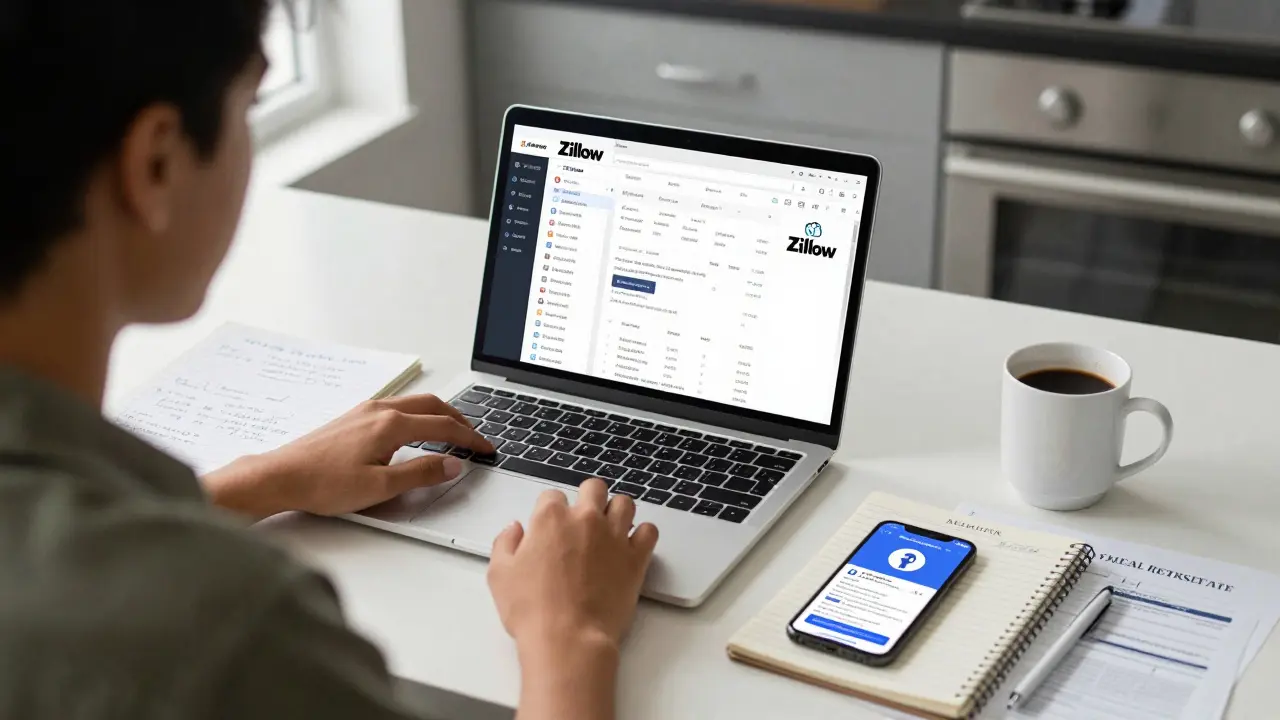
Most people think you need a college degree, a mountain of debt, or a rich uncle to get into real estate. That’s not true. Real estate training isn’t about fancy classrooms or expensive seminars. It’s about learning the right skills, at the right time, with real tools that work today.
What Real Estate Training Actually Means
Real estate training isn’t just passing a state exam. It’s learning how to talk to buyers who are scared, sellers who are frustrated, and lenders who don’t care about your dreams. It’s knowing how to read a contract without a lawyer, how to price a home so it sells in 10 days, and how to find deals no one else sees.
The real estate license test is just the first step. In 2025, the average agent fails their first exam because they studied the wrong things. They memorized zoning laws instead of learning how to use Facebook ads to find motivated sellers. They drilled on property taxes but didn’t learn how to use Zillow’s data to spot undervalued homes.
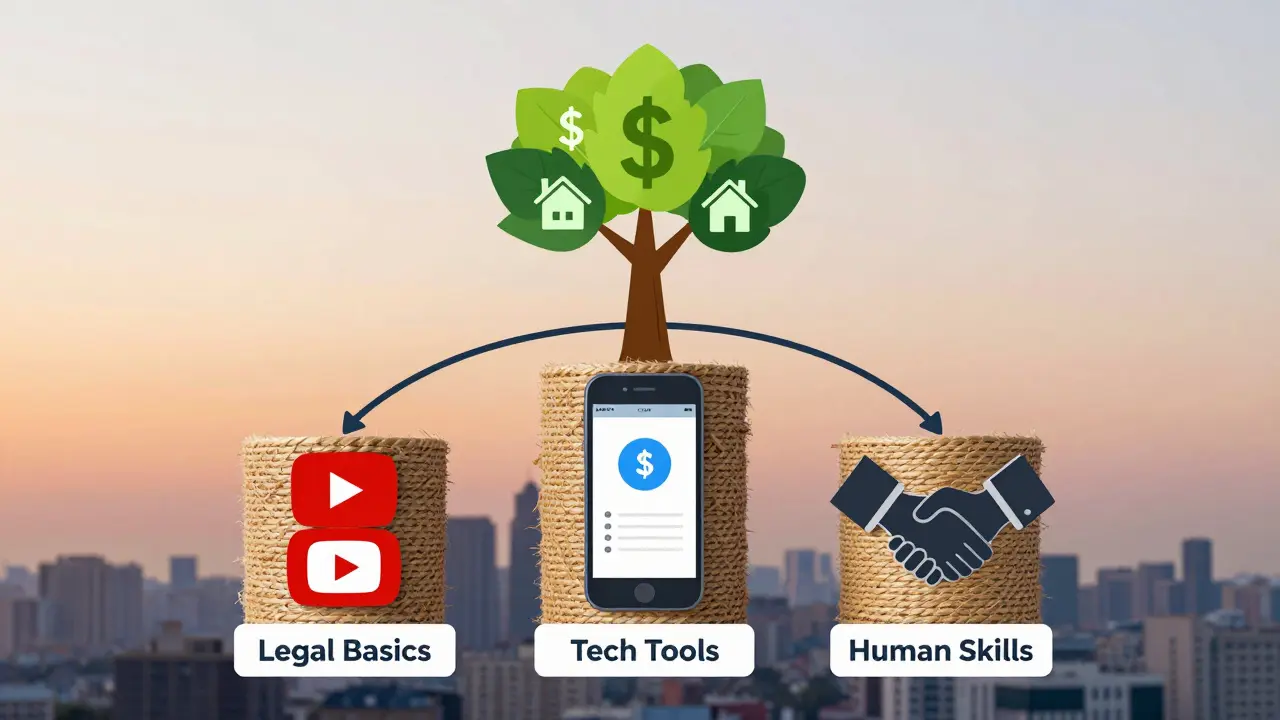
Real estate training today is split into three layers: legal basics, tech tools, and human skills. Skip any program that ignores one of these.
Where to Get Real Training (Not Just a Certificate)
You don’t need to pay $5,000 for a "premier real estate academy." In fact, most of those programs are just repackaged state-mandated courses with fancy brochures.
Here’s what actually works in 2025:
- State-approved online courses - These are required to get your license. Look for providers like Real Estate Express or Kaplan. They cost $300-$600 and include practice exams. Don’t skip this part.
- Free YouTube channels - Agents like Brandon Turner and RealtyTrac break down how to find off-market deals, negotiate commissions, and use CRM tools. Watch one video a day for 30 days. Take notes.
- Local real estate investor meetups - Find them on Meetup.com or Facebook. Go once a month. Don’t ask for a job. Ask, "What’s the one thing you wish you knew when you started?" Most will tell you.
- Shadow a top agent - Offer to help them with open houses, paperwork, or door-knocking for free. You’ll learn more in 10 hours with a pro than in 10 weeks of online lectures.
One agent in Phoenix started by volunteering to take photos for a broker. Six months later, she was closing 12 deals a month. She didn’t have a degree. She had hustle and the right training.
The 5 Skills You Must Master Before Your First Listing
Here’s what separates the agents who make $50,000 a year from the ones who make $200,000:
- Conversation skills - You’re not selling houses. You’re solving problems. A seller who says, "I just want to get this over with," actually means, "I’m scared I’ll lose money." Learn to listen, not pitch.
- Market analysis - Don’t just look at Zillow. Learn to read MLS data. What’s the average days on market in this neighborhood? How many homes sold above asking in the last 30 days? These numbers tell you if it’s a buyer’s or seller’s market.
- Digital marketing - Most agents still rely on yard signs. That’s 2005. Today, you need a simple Facebook ad campaign targeting people who searched "sell my house fast" in your ZIP code. Use Canva to make a 30-second video. Post it. Repeat.
- Time management - You’ll get 20 leads a week. Only 2 will turn into deals. Use a simple system: label leads as Hot, Warm, Cold. Call Hot leads within 15 minutes. If you wait 2 hours, you lose 70% of your chance.
- Follow-up - 80% of deals come from people you’ve talked to before. Send a birthday text. Share a local news article. Don’t ask for business. Just be helpful.
One agent in Atlanta tracked every single interaction in a Google Sheet. He didn’t use fancy software. He just wrote down who he talked to, what they said, and when to follow up. In 18 months, he closed 87 deals. He didn’t have a big team. He had a system.
How to Avoid Training Scams
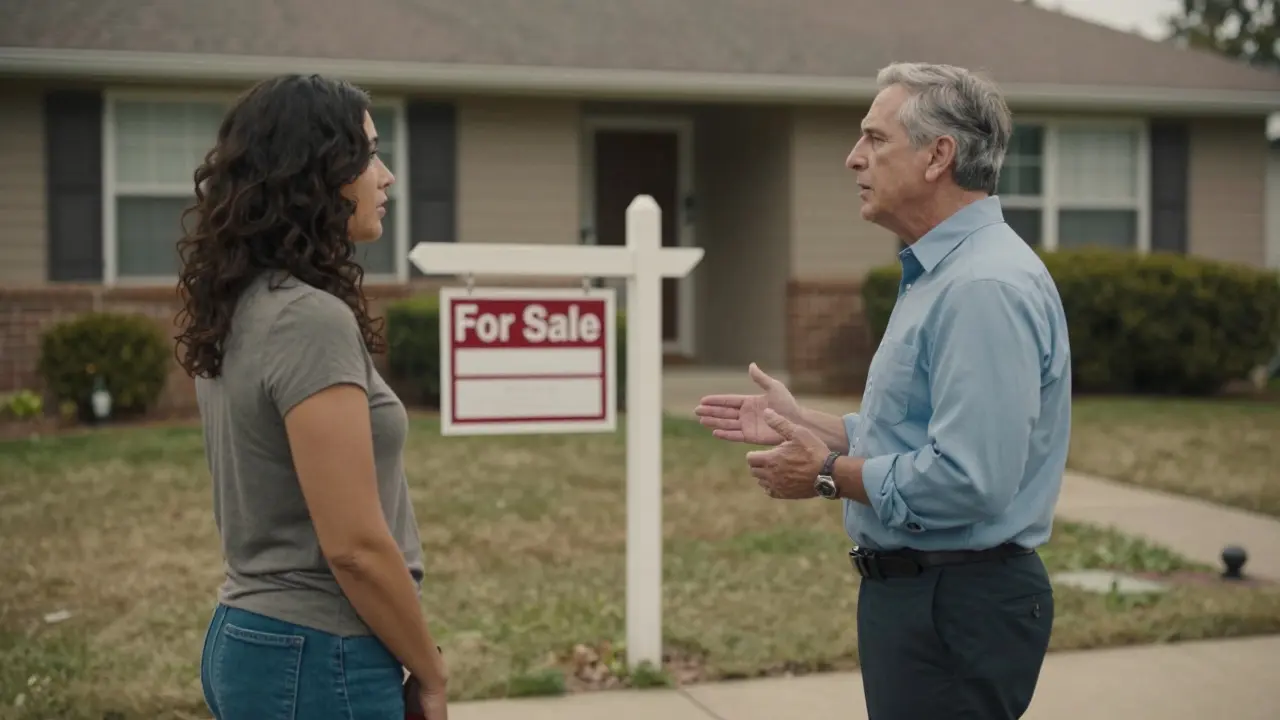
There are a lot of people selling "secret systems" for real estate. They promise you’ll make $10,000 in your first month. They show pictures of luxury cars and private jets.
Here’s how to spot a scam:
- If they say "no experience needed," walk away. Real estate is a people business. You need to learn how to talk to humans.
- If they charge more than $1,500 for a course without a license prep component, it’s likely fluff.
- If they don’t let you talk to current students, don’t trust them.
- If the only success stories are from 2018, they’re not updated for today’s market.
The National Association of Realtors says 75% of new agents quit within the first year. Most quit because they spent money on training that didn’t teach them how to get clients.
Real Estate Training for Different Goals
Not everyone wants to be a traditional agent. Your training should match your goal.
- If you want to be a full-time agent - Focus on client acquisition, listing presentations, and negotiation. Take a course on cold calling and follow-up systems.
- If you want to flip houses - Learn rehab costing, contractor negotiation, and financing options like hard money loans. Watch videos from Rehab Masters on YouTube.
- If you want to rent out properties - Study tenant screening, lease agreements, and property management software like Buildium. Learn how to handle evictions legally in your state.
- If you want to work part-time - Focus on finding leads through social media and referrals. You don’t need to be at every open house. Be reliable and responsive.
There’s no one-size-fits-all path. The best training adapts to your life, not the other way around.
What to Do After You Get Your License
Getting your license is the easy part. The real work starts now.
Here’s your 30-day plan:
- Day 1-7: Set up your Google Business Profile and Facebook page. Post your first video: "Hi, I’m [name]. I help people in [city] sell their homes faster. Ask me anything."
- Day 8-14: Call 10 past clients from other agents. Say: "I just got licensed. I’m offering free home value reports. Can I send you one?" 3 out of 10 will say yes.
- Day 15-21: Attend one local event. Bring business cards. Talk to 5 people. Don’t sell. Ask questions.
- Day 22-28: Pick one neighborhood. Study 10 recent sales. Write down what sold, what didn’t, and why.
- Day 29-30: Send 5 personalized emails to people who liked your Facebook post. No pitch. Just: "I saw you liked my video. I’m here if you ever need help."
That’s it. No fancy software. No expensive coaching. Just consistent, simple actions.
Real Estate Training Isn’t a One-Time Thing
The market changes. Laws change. Tools change. The best agents don’t stop learning after they get their license. They keep going.
Subscribe to Realtor.com’s Market Trends newsletter. Listen to the Real Estate Guys podcast once a week. Read one article from Inman News every Monday.
Real estate training isn’t a class you take. It’s a habit you build.
Do I need a college degree to become a real estate agent?
No. A college degree is not required in any U.S. state. You need to complete state-mandated pre-licensing education, pass the exam, and work under a broker. Many successful agents started with no degree at all. What matters is your ability to connect with people and follow a system.
How long does real estate training take?
The required pre-licensing course usually takes 60-90 hours, which most people complete in 3-6 weeks part-time. But real training - learning how to get clients, close deals, and manage your time - takes 6 to 12 months of consistent effort. Don’t rush it. Focus on doing a few things well.
Can I do real estate training while working another job?
Yes. Most agents start part-time. You can complete your licensing online, shadow agents on weekends, and build your client base during evenings and holidays. The key is consistency - even 5 hours a week adds up. Many agents who started part-time now work full-time in real estate.
What’s the cheapest way to get real estate training?
The cheapest path: take your state’s required online course ($300-$600), watch free YouTube tutorials, join a local real estate meetup (often free), and shadow an agent for a few open houses. That’s under $1,000 total. Skip the $5,000 "mentorship programs" - most of them just sell you the same free content.
Is real estate training worth it if I don’t want to be an agent?
Absolutely. Even if you just want to buy your first home, understanding contracts, market trends, and negotiation tactics saves you thousands. If you plan to invest in rental properties, real estate training helps you avoid costly mistakes. You don’t need a license to learn - just the right resources.
Next Steps: Start Today
You don’t need to wait for the perfect moment. The perfect moment doesn’t exist.
Right now, open your phone. Search for "real estate pre-licensing course [your state]." Pick the lowest-cost, highest-rated option. Enroll. Set a calendar reminder to study for 30 minutes tomorrow.
That’s it. You’re already ahead of 90% of people who say they want to get into real estate.
12 Responses
They say no degree needed but what they don't tell you is the broker will own your soul and 40% of every commission. This whole system is a pyramid scheme dressed up as hustle culture.
This is the real deal. Just start small. One video. One call. One follow-up. That's how you build something real.
Oh wow free YouTube videos and shadowing? How revolutionary. Next you'll tell us water is wet and gravity isn't a suggestion.
The truth is in the consistency. Not the flashy courses or the Instagram influencers. Showing up day after day even when no one's watching-that's what separates the ones who make it from the ones who quit.
I started by answering questions on Reddit. Got my license. Did 3 open houses for free. Now I close 6 a month. No degree. No debt. Just showing up.
It is imperative to note that the foundational principles outlined herein are not merely recommendations but rather non-negotiable pillars of sustainable professional development in the field of real estate.
I am from India and I am thinking to do this. Is it possible to make money from real estate in US without being citizen? I want to learn but scared to waste time.
Shadowing works. I watched an agent for three weeks. Learned more than six months of online courses. The human stuff matters more than the paperwork.
You think that's radical? I know a guy who got his license while working night shift at a gas station. Now he owns three rentals. You're not poor. You're just lazy.
You people are naive. No one tells you the broker takes 60%. The system is rigged. If you're not connected you're just a debt slave with a license.
The notion of 'training' as a linear, consumable, outcome-driven process... is it not merely a modern myth? Real estate, like all human exchange, is an emergent phenomenon-rooted in trust, timing, and the quiet persistence of presence. The algorithm cannot teach presence.
If you need a guide this basic you shouldn't be in real estate. You're just another person looking for a shortcut to wealth. Go get a job at Walmart. At least they pay you on time.