Real estate wholesaling isn’t about owning homes. It’s about finding deals so good that other investors will pay you to take them off your hands-before you ever put a dime down. You don’t need a license, a bank loan, or even a credit score. You just need to know where to look and how to talk to the right people.
What Real Estate Wholesaling Actually Is
Real estate wholesaling is the practice of signing a contract to buy a property at a deep discount, then assigning that contract to another buyer for a fee. You never close on the house. You never own it. You never fix it up. You simply act as a middleman who connects motivated sellers with cash buyers looking for deals.
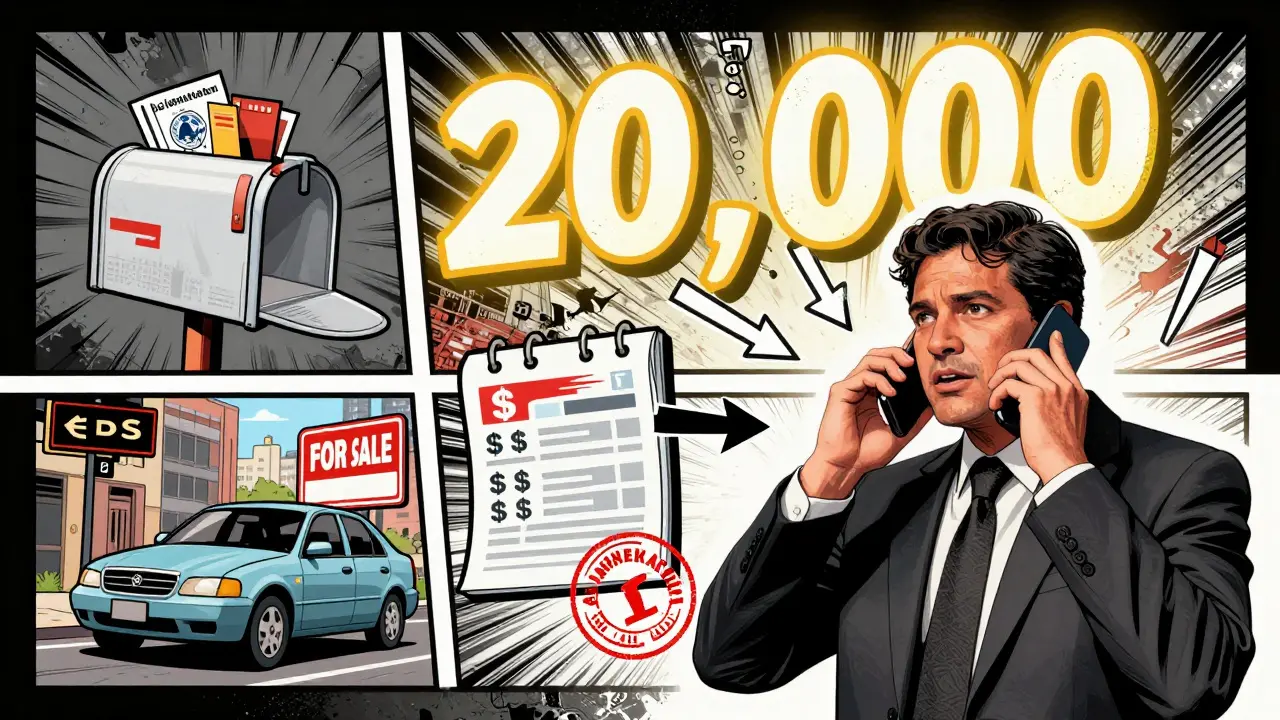
Think of it like this: You find a house worth $150,000 that the owner will sell for $80,000 because they need to move fast. You get that contract signed. Then you find a buyer who’s willing to pay $100,000 for it. You assign your contract to them for a $20,000 fee. That’s your profit. And you didn’t spend a single dollar of your own money.
This works because there are always people desperate to sell-foreclosures, inherited homes, divorce situations, landlords tired of repairs. And there are always investors with cash ready to buy, but not enough time to find the deals themselves.
How to Find Deals That Actually Move
The biggest mistake new wholesalers make is chasing listings on Zillow. Those are already priced for the market. You need off-market deals-properties no one else knows about.
Here’s where to look:
- Direct mail campaigns: Send letters to owners of homes that are 20+ years old, in foreclosure, or have been owned for over 30 years. These people are more likely to be motivated. A simple postcard saying, “We buy houses in any condition-fast cash offer” works better than you think.
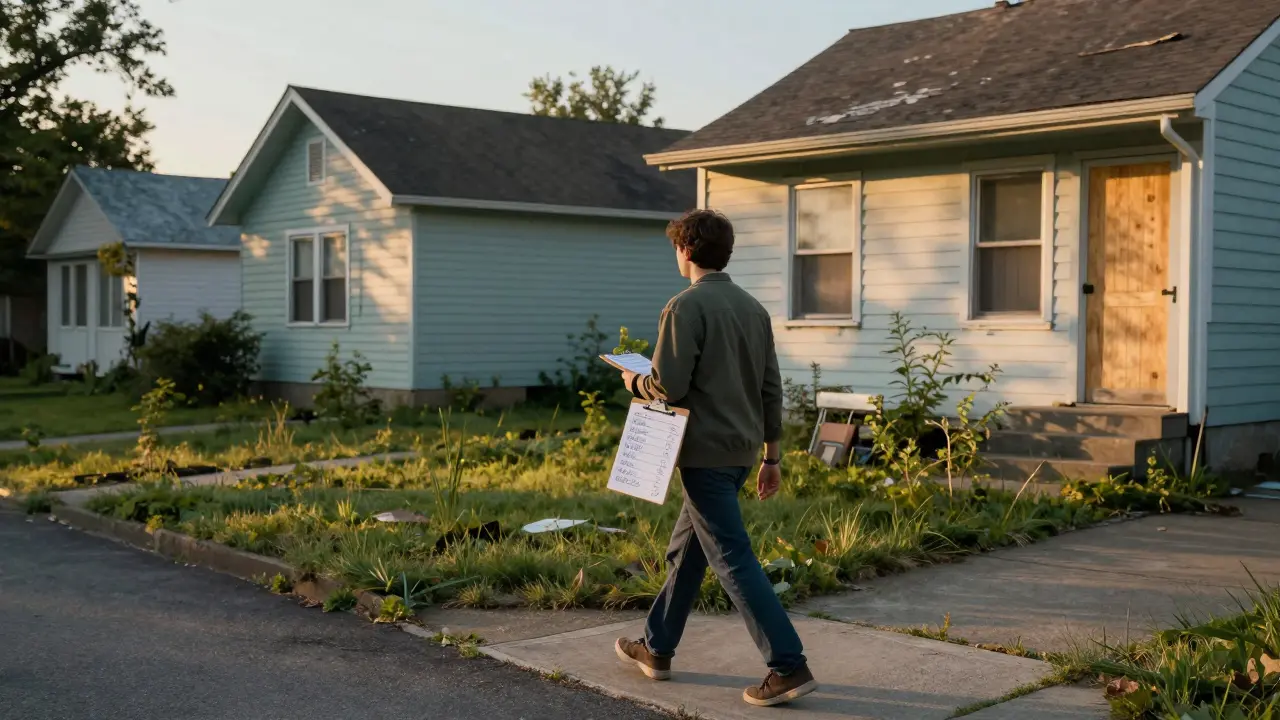
- Driving for dollars: Grab a notebook and drive through neighborhoods with peeling paint, overgrown yards, boarded-up windows. Write down addresses. Call the owners. Ask if they’d consider selling.
- Public records: Visit your county clerk’s office or search online for tax delinquent properties, probate listings, or absentee owners. These are goldmines for wholesalers.
- Online lead generators: Websites like PropStream, DealMachine, or ListSource let you pull lists of distressed properties by zip code. You pay a small monthly fee, but the leads are targeted and ready to contact.
Don’t waste time on listings with agents. They’re priced for retail. You want the ones nobody else wants to touch.
Getting the Contract Signed
Once you find a motivated seller, you need a contract that protects you and gives you the right to assign the deal. This is called an assignment of contract.
Your contract should include:
- The property address and legal description
- The purchase price you’re offering
- A contingency clause that allows you to back out if you can’t find a buyer
- A clause that says you have the right to assign the contract to another party
You don’t need a lawyer to draft this. Standard real estate assignment forms are available online from reputable sources like the National Association of Real Estate Wholesalers. Just make sure it’s signed by both parties and notarized if your state requires it.
Important: Never promise the seller you’ll close. Say you’re “looking for a buyer who can close quickly.” You’re not lying-you’re just not revealing your endgame yet.
Building Your Buyer’s List
Without buyers, your deals go nowhere. That’s why building a buyer’s list is just as important as finding deals.
Who are your buyers?
- Cash investors who flip houses
- Rental property buyers looking for turnkey deals
- Local real estate investment groups
- Out-of-state investors who don’t want to drive around looking for deals
How to find them:
- Join local real estate investment clubs (REIA). Show up, listen, and hand out business cards.
- Post on Facebook groups like “Cash Buyers Network” or “Real Estate Investors USA.”
- Call rehab contractors-they know who’s buying houses in your area.
- Use Craigslist under “services” or “housing.” Post: “Wholesaler with off-market deals. Cash buyers only.”
Keep a spreadsheet with names, phone numbers, preferred deal types, and how much they usually pay. Update it every week. The more buyers you have, the faster your deals close.

Assigning the Contract and Getting Paid
Once you have a buyer lined up, you assign your contract. This means you transfer your rights under the original purchase agreement to them. You charge an assignment fee-usually $5,000 to $20,000 depending on the deal.
Here’s how it works step by step:
- You sign the contract with the seller at $80,000.
- You find a buyer willing to pay $100,000.
- You sign an assignment agreement with the buyer, transferring your rights for a $20,000 fee.
- The buyer wires the $100,000 to closing.
- The seller gets $80,000. You get $20,000. The title company handles the rest.
You never touch the money. The buyer sends it directly to closing. Your fee is paid out of the purchase price. No bank account needed. No loan application. No credit check.
Some wholesalers use an escrow company to hold the assignment fee until closing. Others just get a check from the buyer at closing. Both work. Just make sure it’s documented.
Common Mistakes That Kill Deals
Most people fail at wholesaling because they skip the basics.
- Not verifying the seller’s ownership: Always run a title search. If the seller doesn’t own the property, your contract is worthless.
- Overpromising to sellers: Saying “I’ll close in 7 days” when you don’t have a buyer yet? That’s how you lose trust.
- Not having a backup buyer: If your first buyer drops out, you’re stuck. Always have at least 3 buyers on standby.
- Ignoring local laws: Some states require disclosure that you’re assigning the contract. Others ban assignment fees entirely. Know your state’s rules.
- Trying to do it alone: Wholesaling is a team sport. You need a title company, a real estate attorney (just for review), and a good network.
One bad deal can cost you more than 10 good ones are worth. Slow down. Double-check everything.
How Much Can You Really Make?
Top wholesalers make $10,000 to $20,000 per deal. Beginners average $3,000 to $7,000 per deal. You don’t need to close 10 deals a month. Just one or two solid deals every 30 to 60 days can put you ahead of 90% of people with full-time jobs.
Here’s a real example from last year:
- Property bought for $78,000 (seller needed to move out of state after death)
- Assigned to cash buyer for $105,000
- Assignment fee: $27,000
- Costs: $300 for title search, $150 for notary, $50 for printing
- Net profit: $26,500
That’s a single afternoon of driving around neighborhoods and a few phone calls.
Is Wholesaling Right for You?
Wholesaling isn’t for everyone. You need:
- Strong communication skills-you’re talking to people in crisis
- Discipline to follow up-most sellers won’t respond until the 5th call
- Resilience-some deals fall apart. You’ll get ghosted. You’ll get yelled at.
- Basic tech skills-you need to use spreadsheets, email, and phone apps
You don’t need money. You don’t need experience. You don’t even need a college degree.
But you do need to take action. No course, no YouTube video, no book will make you money. Only doing the work will.
Next Steps: Your First 30 Days
If you want to start wholesaling, here’s what to do right now:
- Choose one method to find leads-mail, driving, or online lists-and do it for 1 hour a day.
- Call 10 property owners this week. Don’t overthink it. Just say: “Hi, I’m looking to buy houses in this area. Would you consider selling if I made a fast cash offer?”
- Join one local real estate investor group. Go to their next meeting. Talk to 3 people.
- Download a free assignment of contract template and read it cover to cover.
- Write down 5 names of people you could ask for help-contractors, investors, friends who know real estate.
Don’t wait for perfect conditions. Start now. The first deal is the hardest. The second one? Much easier.
Do you need a real estate license to wholesale?
No, you don’t need a real estate license to wholesale properties in most states. You’re not acting as an agent-you’re selling the right to buy a property, not the property itself. But some states, like Florida and Illinois, require disclosure that you’re assigning a contract. Always check your state’s laws before proceeding.
Can you wholesale with no money?
Yes. Wholesaling is designed to work with no money down. Your only costs are for marketing (postcards, lead lists) and maybe a title search. You never pay for the property yourself. Your profit comes from the assignment fee paid by the buyer at closing.
How long does a wholesale deal take?
Most wholesale deals close in 14 to 30 days. The seller gives you a 30-day closing window in the contract. You have about 7 to 14 days to find a buyer. If you don’t, you can often extend the deadline with the seller’s permission-or walk away with no penalty if your contract has a contingency clause.
What’s the difference between wholesaling and flipping?
Flipping means buying a property, fixing it up, and selling it for a profit. Wholesaling means never owning the property. You find a deal, assign the contract, and collect a fee. Flipping takes time, money, and construction skills. Wholesaling takes time, phone calls, and persistence.
Are wholesale deals legal?
Yes, wholesaling is legal in all 50 states as long as you follow disclosure rules. You must clearly inform the seller that you’re assigning the contract and that you’ll profit from the transaction. Never hide your role. Transparency prevents legal trouble and builds trust.
What to Do After Your First Deal
After you close your first wholesale deal, don’t celebrate and stop. Double down.
Reinvest your profit into better marketing. Buy more postcards. Pay for a better lead list. Hire a VA to make follow-up calls. Start recording your conversations so you can learn what works.
Wholesaling scales fast. One deal becomes five. Five becomes twenty. You’re not building a business-you’re building a system. And systems run on repetition, not luck.
The best wholesalers aren’t the smartest. They’re the ones who show up every day-even when no one’s calling back.
11 Responses
This is the kind of hustle that actually works if you show up every day. No fancy degree needed, just grit and a phone.
Driving for dollars still works. I found a 90-year-old lady in Detroit who just wanted out of her house. Got her to sign in 20 minutes. Sold it for $18k profit. No capes, no magic. Just showing up.
Oh wow, another ‘get rich quick’ guide from someone who’s never actually closed a deal. You don’t need a license? Sure, and I don’t need a pilot’s license to fly a 747 either. The legal gray areas here are vast, and you’re just begging for a lawsuit. And don’t get me started on the ethics of preying on grieving families. It’s not entrepreneurship, it’s exploitation dressed in hoodie.
But hey, if you’re into moral ambiguity and borderline fraud, by all means, keep going. The courts love people like you.
you think this is easy until you call 50 people and 49 hang up. then the 50th says ‘i’ve been waiting for someone to call’ and you get your first deal. that’s the game. not the money. the call.
So let me get this straight - you’re a middleman who doesn’t own anything, doesn’t fix anything, doesn’t even have to show up to closing… and you’re the ‘entrepreneur’? I’m just waiting for the TikTok influencer who wholesales air.
Also, your ‘$27k profit’? That’s before you pay your VA, your lead service, your title company, and your therapist after your 12th ghosted seller.
I’ve seen this work in rural Alabama, in Detroit, in Phoenix - it’s not magic, it’s mechanics. You’re connecting people who are drowning with people who know how to swim. The sellers? They’re exhausted. The buyers? They’re hungry. You’re the bridge. And yeah, you make money - but you also give someone peace. That’s worth more than the fee.
Do the work. Call the people. Show up. The rest follows. No hype. No fluff. Just human connection with a contract.
While I commend the aspirational nature of this endeavor, one must acknowledge the structural risks inherent in the assignment-of-contract model. In jurisdictions such as Florida and Illinois, the absence of proper disclosure may constitute a violation of statutory real estate regulations, potentially exposing the wholesaler to civil liability, criminal charges, or both. Furthermore, the ethical implications of profiting from distress, even if legally permissible, warrant serious introspection. One does not build a sustainable legacy on the backs of the desperate.
I came from India with $200 in my pocket. I read this post. Called 10 people in Chicago last week. Got one yes. Assignment fee $12k. I didn’t sleep for 3 days. But I did it. This is real. This is not a dream. This is real life. Thank you for this.
Wholesaling isn’t about tricks. It’s about consistency. One call a day. One letter. One follow-up. That’s how you win. Not luck. Not hype. Just showing up.
Bro, I did this for 8 months. Got 3 deals. Made $52k. Then I got a real job. Now I make $85k and sleep. You think this is freedom? Nah. It’s just another job with more anxiety and worse hours. But hey, if you’re into chaos with a profit margin - go for it.
You call this a business? You’re not a wholesaler. You’re a parasite. You take advantage of broken people and call it capitalism. I’ve seen families lose homes because of guys like you. You don’t deserve to make money. You deserve to be exposed.